
Since Israel’s September escalation in Lebanon, over 1.5 million people have been displaced from their homes. Among them, over 510,000 people have fled to Syria, with approximately 71 percent of them being Syrian nationals who had sought refuge in Lebanon in the years following Syrian President Bashar al-Assad’s brutal crackdown on the 2011 Syrian uprisings. At least 26 Syrian returnees have been arrested by the Assad regime while attempting to return as part of this latest wave following Israel’s war on Lebanon; others have had to take perilous journeys to travel to areas of the country not controlled by the regime, that continue to be bombarded.
Meanwhile, and amid the rise of populist governments and rhetoric in Europe, several European Union (EU) countries are considering significant changes in their policies toward Syria and the Syrian refugees within their borders. Despite consistent expert and civil society reporting that Syria remains unsafe and clear international legal stipulations on non-refoulement, these countries are discussing mass deportations and further normalization of the Syrian regime to coordinate on migration.
On November 25 at 10:30 am EST, join the Tahrir Institute for Middle East Policy (TIMEP) for a virtual event titled: “Syria and Syrian Refugees: From EU Migration Policies to Israel’s War on Lebanon,” featuring Veronica Bellintani (Syrian Legal Development Program), Haid Haid (Chatham House MENA Program), Nadine Kheshen (TIMEP), and moderated by TIMEP Executive Director Mai El-Sadany.
In a dynamic discussion, panelists will unpack key questions: What is the situation in Syria today, and is Syria truly “safe” for returnees? How has the Assad regime positioned itself amid Israel’s wars on Gaza and Lebanon? How are EU countries responding to this moment, particularly as it pertains to refugees and migrants? And what might this mean for the normalization of the Assad regime going forward?
Watch the discussion:
Speaker Profiles:
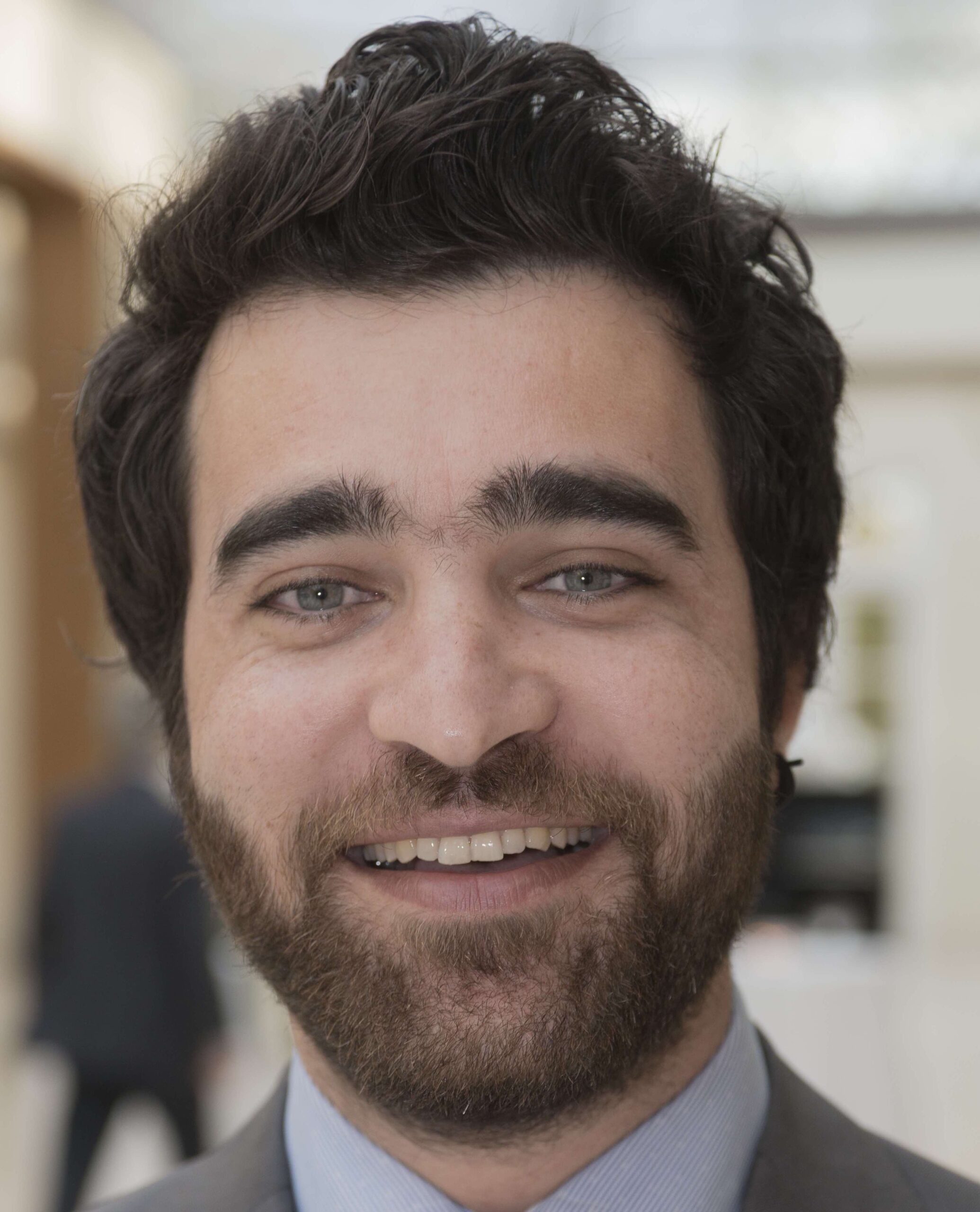
Haid Haid
Columnist and Consulting Research Fellow, Chatham House Middle East and North Africa ProgramDr. Haid Haid is a columnist and a Consulting Research Fellow at the Chatham House Middle East and North Africa Program. His academic background includes a bachelor’s degree in sociology, a postgraduate diploma in counseling, as well as two master’s degrees; one in social development and another in conflict resolution. He also holds a PhD in war studies. Dr. Haid’s interdisciplinary research interests encompass conflict, political economy, governance, and non-state actors.
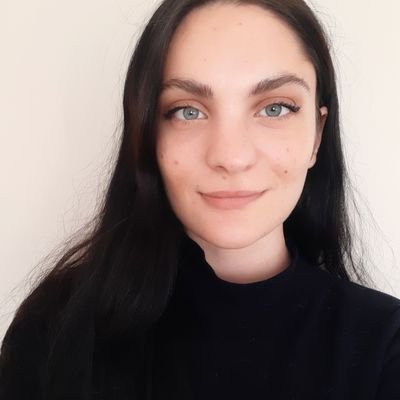
Veronica Bellintani
Head of the International Law Support Unit, the Syrian Legal Development ProgramVeronica Bellintani is an international human rights lawyer, specializing in victims’ rights to truth, justice, and remedy. She serves as the Head of the International Law Support Unit at the Syrian Legal Development Program (SLDP), where she leads efforts to creatively leverage international law for accountability in Syria. Previously, she was a nonresident fellow at the Tahrir Institute for Middle East Policy (TIMEP), where she advocated for victim-centered policies for Syria.

Nadine Kheshen
Legal Associate, the Tahrir Institute for Middle East Policy (TIMEP)Nadine Kheshen is a Legal Associate at TIMEP. She is an international criminal and human rights lawyer who has been working on conflict and human rights in the Middle East since 2016. She graduated with a JD from Loyola Marymount Law School, Los Angeles, and holds a bachelor’s degree in Political Science from MacEwan University in Edmonton, Canada. Previously, Nadine’s work in Lebanon with local organizations focused primarily on advancing the rights and treatment of Palestinian and Syrian refugees in the country.

Mai El-Sadany
Executive Director, the Tahrir Institute for Middle East Policy (TIMEP)Mai El-Sadany is the Executive Director of the Tahrir Institute for Middle East Policy (TIMEP). She was previously TIMEP’s Managing Director and Legal and Judicial Director. She has previously worked at the International Center for Not-for-Profit Law, Robert F. Kennedy Human Rights, and the Carnegie Endowment for International Peace, among other organizations. Ms. El-Sadany’s published work has covered legal and constitutional issues in Egypt, human rights issues in Syria, transitional justice in the Middle East, and the split between Sudan and South Sudan. She holds a J.D. and certificate in refugees and humanitarian emergencies from the Georgetown University Law Center, and a B.A. in political science from Stanford University. You can follow her on Twitter: @maitelsadany.