
For the first time in more than two years, Lebanon has a president, a prime minister, and a government in place. As domestic, regional, and global conditions have shifted, so too have the prospects for political and economic reconstruction, recovery and reform, bringing the country and the Lebanese people to a moment that seems filled with potential. Yet the country also faces immense challenges that have compounded over the years following the 2019 economic crisis and collapse, the 2020 Beirut Port Explosion, and most recently, Israel’s bombardment of the country. The World Bank estimates that reconstruction and recovery needs following the most recent war amount to $11 billion, with housing being the hardest-hit sector. The poverty rate continues to skyrocket, having already reached 44 percent before the destruction and displacement caused by the war.
On Thursday, May 29 at 10:00 am EST, the Tahrir Institute for Middle East Policy (TIMEP) hosted “Toward a Just and Equitable Political and Economic Reconstruction in Lebanon,” featuring Ali Noureddeen, Lama Karamé, Nizar Ghanem, Jasmin Lilian Diab, moderated by Nadine Kheshen. The panelists engaged in a moderated discussion answering key questions: How have those in Lebanon, including those most vulnerable, experienced the country’s recent crises? What does a just vision for political and economic reconstruction look like and what are the prospects for the right reforms to be advanced? With a new president, prime minister, and government in place, how are developments unfolding in Lebanon on the political level? What steps can the new Lebanese government take in support of unmet accountability objectives? What role can the international community play in advancing and supporting Lebanon’s reconstruction needs?
Watch the discussion:
Speaker Profiles:
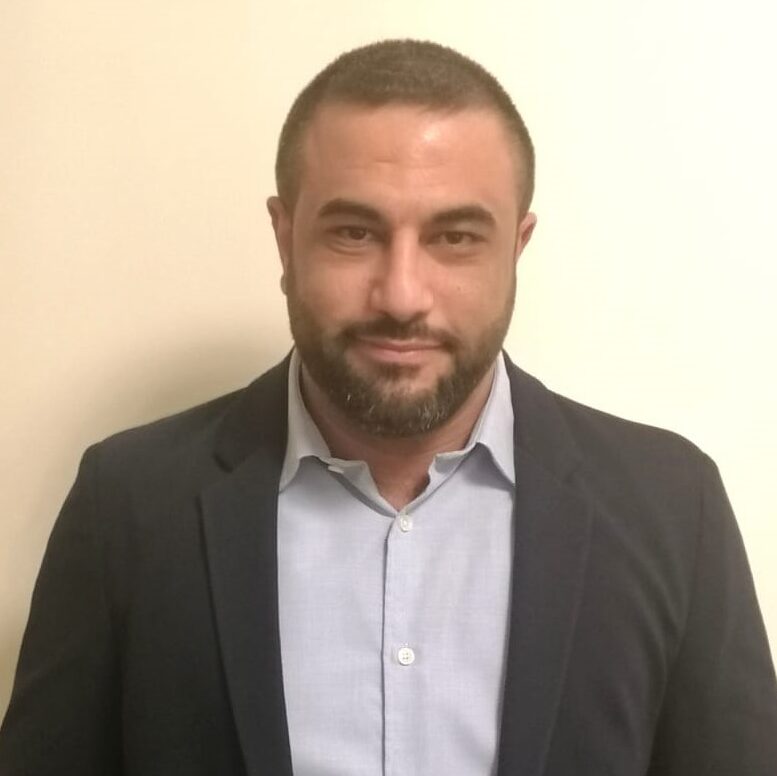
Ali Noureddeen
Ali Noureddeen is a Senior Inclusive Economies Associate at TIMEP, focusing on issues related to fiscal policies, socioeconomic inequalities, and social protection in Lebanon. He is an economic researcher and writer, covering Lebanon’s financial policies, banking sector, and other economic issues related to the ongoing economic crisis. His research interests also include international economic topics related to the effects of conflicts on vulnerable groups and the manifestations of trade wars in the global markets. More recently, he focused his research on the challenges the Lebanese economy faces after Israel’s latest war on Lebanon.
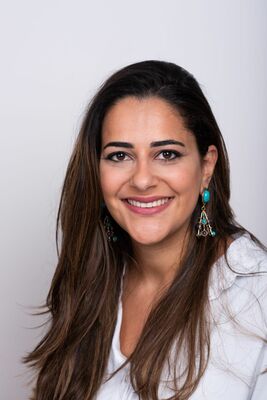
Lama Karamé
Lama Karamé is a lawyer and researcher specializing in law and public policy. Her work explores the intersection of law and society, with a particular focus on how law can serve as a tool for social change. She has published on a wide range of topics, including legal mobilization and reform, socioeconomic justice, juvenile justice, judicial decision-making, sentencing patterns, and family law and religious courts in Lebanon. Lama previously led the Strategic Litigation Unit at The Legal Agenda, where she now serves on the board of directors. She is currently pursuing a Ph.D. in Socio-Legal Studies at the University of Oxford’s Faculty of Law. In addition, Lama teaches Law and Justice Around the World at George Mason University and consults for various international organizations, including UNDP and UNICEF.

Jasmin Lilian Diab
Dr. Jasmin Lilian Diab is a Senior Inclusive Economies Associate at TIMEP, focusing on migration. She is the director of the Institute for Migration Studies (IMS) at the Lebanese American University (LAU), where she also serves as an assistant professor and coordinator of migration studies at the Department of Communication, Mobility and Identity. Jasmin is also a research affiliate at the Centre for Refugee Studies at York University, a global fellow at Brown University’s Center for Human Rights and Humanitarian Studies, and a visiting professor in migration studies at Sciences Po Lyon.
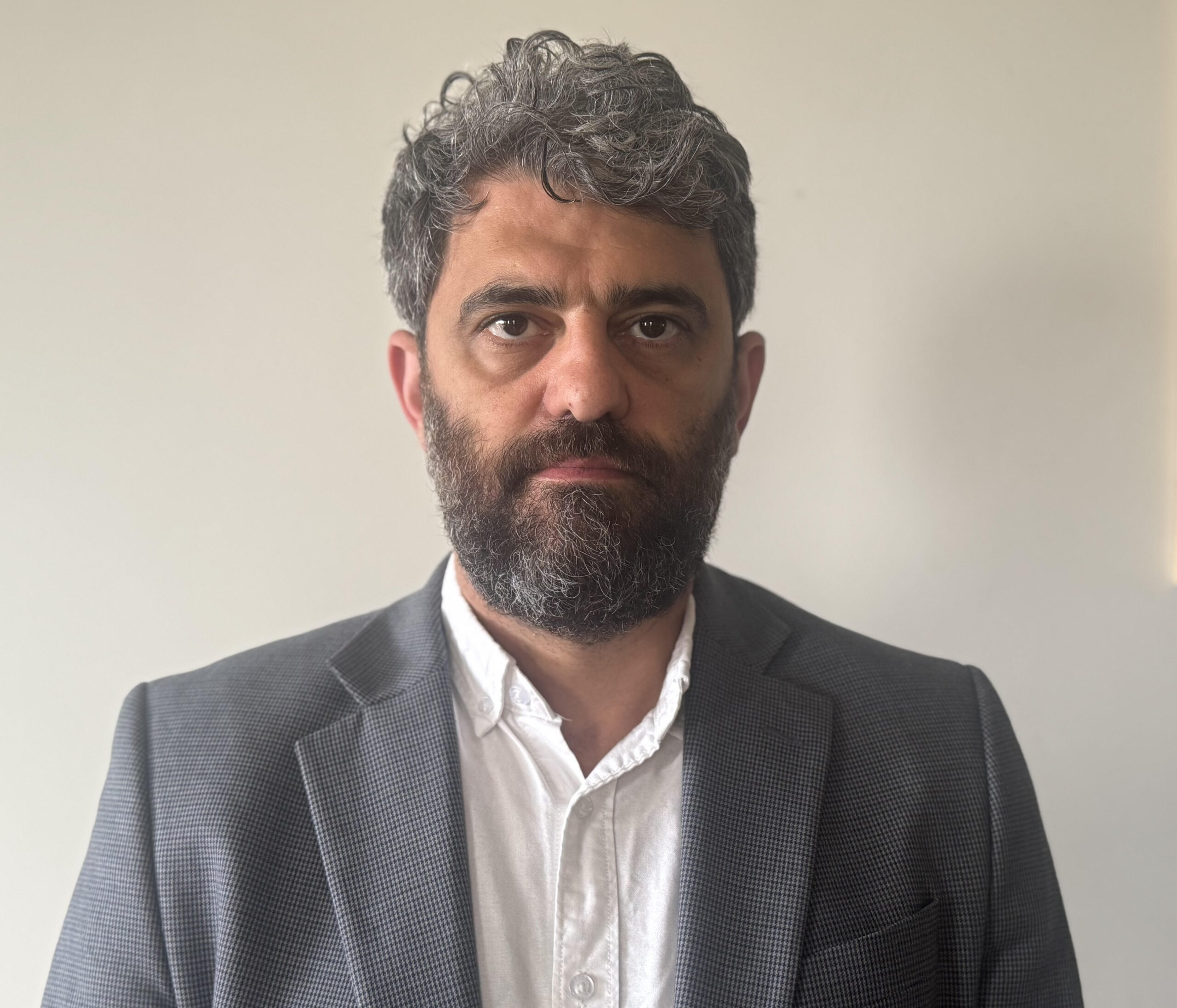
Nizar Ghanem
Nizar Ghanem is the Director of Research at Triangle and API, with more than a decade of experience in qualitative and quantitative research, economic development, governance, and training. Nizar’s research portfolio includes designing and leading key research projects, needs assessments and baseline surveys for the EU, USAID, NORAD, UNDP, UNICEF, ESCWA, and World Learning. Before founding his previous consultancy, Menapolis, Nizar was a Senior Analyst at the Lebanese Center for Policy Studies. Nizar has also authored several reports and scholarly articles on a variety of topics related to governance and development in the West Asia region. Nizar holds a Bachelor’s degree in Business and Accounting from Notre Dame University, Lebanon and a Master’s degree in International Relations and Economics from The School of Advanced International Studies at Johns Hopkins University.

Nadine Kheshen
ModeratorNadine Kheshen is a Legal Associate at TIMEP. She is an international criminal and human rights lawyer who has been working on conflict and human rights in the Middle East since 2016. Having moved to Lebanon in 2019, Nadine’s work with local organizations has focused primarily on advancing the rights and treatment of Palestinian and Syrian refugees in the country. She has advised foreign and national stakeholders about the key structural and legal issues affecting refugees and helped build collaboration between local and international NGOs to improve advocacy efforts.