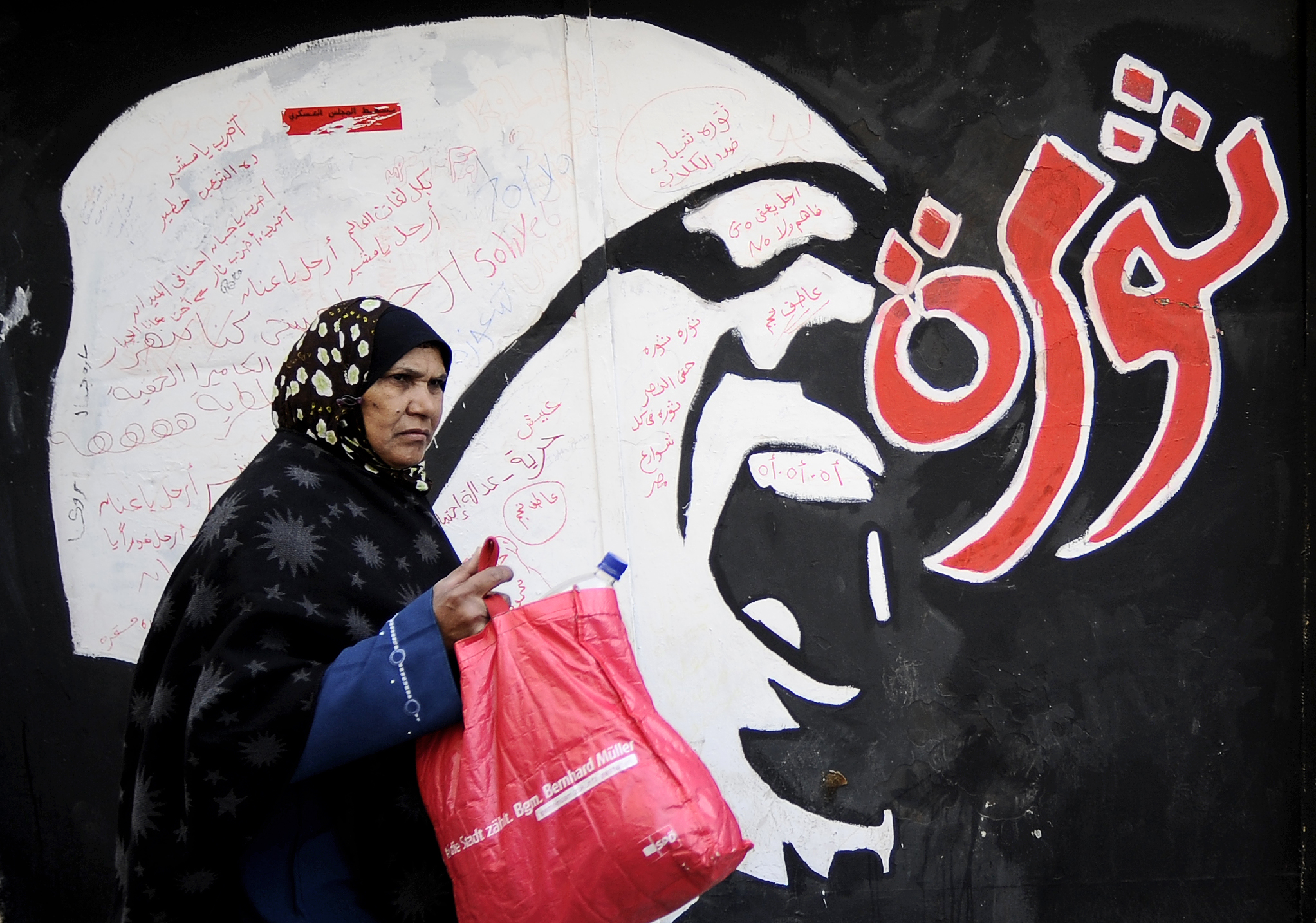
Fifteen years ago, Tunisian fruit vendor Mohamed Bouazizi stood in the middle of traffic, shouted “How do you expect me to make a living?”, and set himself on fire, sparking popular protests in Tunisia and across the Middle East and North Africa (MENA) and setting in motion a series of events that continue to change the region and its people even today.
Though the Arab Uprisings deposed a number of deeply-entrenched authoritarian leaders in the region and created a sense of potential for the future that had long been buried, the protests and the movements that emanated from them were met by a brutal government response and a persistent counterrevolutionary force. In 2019, a second wave of protests swept the region, where amid deepening economic hardship, young demonstrators demanded accountability—targeting now entire political classes—and calling for a fundamental change in the rules of the game. Today, fifteen years later, as the region confronts persistent economic hardship, entrenched repression, and a young population with enduring aspirations for dignity and democratic governance, there is no doubt that the legacy of the Arab Uprisings continues to have influence.
On Monday, February 23, at 10:00 AM EST, the Tahrir Institute for Middle East Policy (TIMEP) hosted “The Arab Uprisings at 15 and the Road Ahead,” an online moderated discussion that featured Lina Attalah, Hamid Khalafallah, Samia Errazzouki, and Razan Rashidi, moderated by Micha Tobia. Speakers addressed key questions: How do the Arab Uprisings continue to shape the region and its people today? What lessons have activists organizing on the ground, online, and in exile picked up and adapted? How have regimes reshaped strategies of control and counterrevolution in response? And as new generations organize, what pathways, challenges, and imaginations lie ahead for the region?
This event was part of TIMEP’s “The Arab Uprisings 15 Years On: More Than a Moment” programming, running through the end of 2026.
Watch the discussion:
Speaker Profiles:
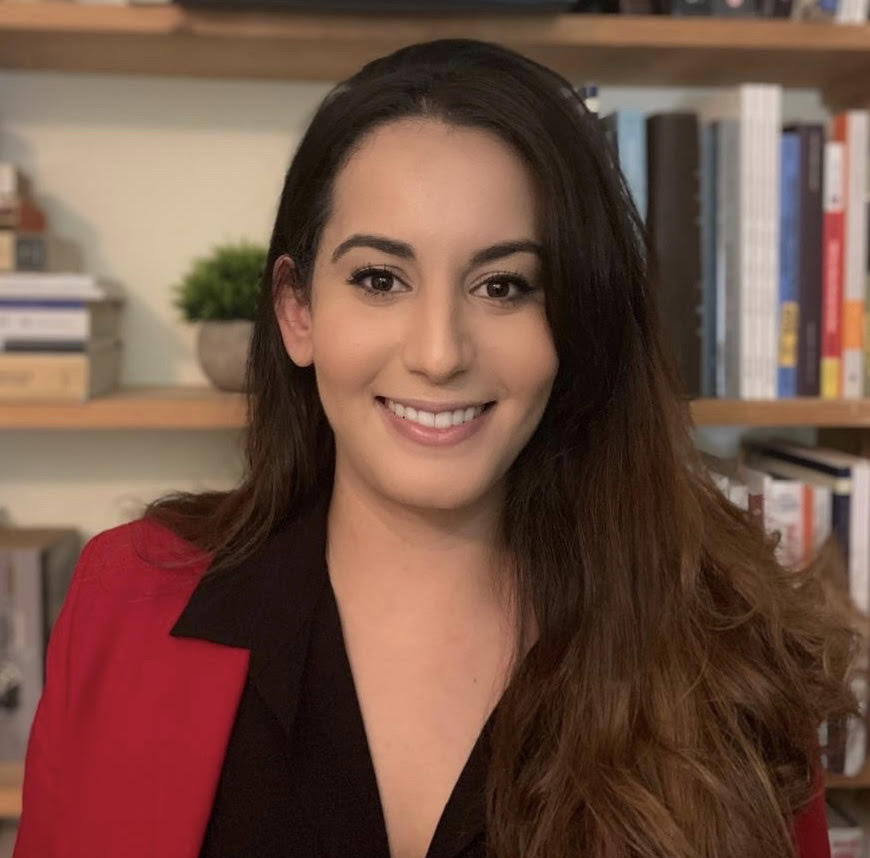
Samia Errazzouki
Samia Errazzouki is a Mellon Postdoctoral Fellow at Stanford University, specializing in African history and racial capitalism. She holds a PhD in history from the University of California, Davis and an MA in Arab Studies from Georgetown University. Samia is also a former TIMEP nonresident fellow whose work focused on advocating for women journalists in North Africa. Previously, Samia was a Morocco-based journalist, where she reported for the Associated Press and later, with Reuters.

Hamid Khalafallah
Hamid Khalafallah is a former nonresident fellow at TIMEP focusing on inclusive governance and mobilization in Sudan. He is a development practitioner, researcher, and policy analyst. Hamid is currently pursuing a PhD degree at the Global Development Institute at the University of Manchester, researching democratic transitions and grassroots movements in Africa. Over the years, he has worked for various organizations in Sudan on governance and development issues. Hamid is an alumnus of the Young African Leaders Program of the School of Transnational Governance at the European University Institute in Italy. He holds an MA in International Development Management from the University of Bradford in the UK, where he studied as a Chevening Scholar and was awarded the 2019 UK Development Studies Association best dissertation prize. In his free time, Hamid has been active with various civil resistance groups in Sudan, promoting democracy and advocating for human rights.
Razan Rashidi
Razan Rashidi is a Berlin-based Syrian human rights defender. She is the Executive Director of The Syria Campaign, a human rights organization that stands for a free and democratic Syria and that creates campaigns and cultural moments highlighting the experiences and demands of survivors of war crimes. She has nearly two decades of experience working with the United Nations, as well as with development and humanitarian programs, advocacy campaigns, and cultural initiatives that aim to drive social change.
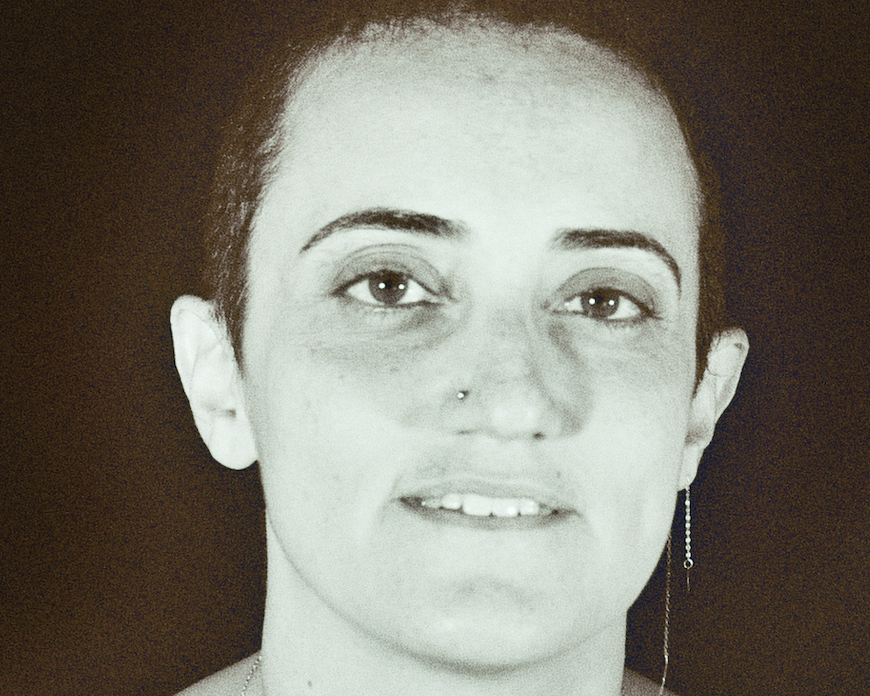
Lina Attalah
Lina Attalah is the founding editor of Mada Masr, a Cairo-based independent media outlet. She has been a journalist for the last 20 years. She was previously the managing editor of the Egypt Independent. In 2018, Time Magazine recognized Lina as a “New Generation Leader,” and she was named one of Time’s 100 Most Influential People of 2020. Also in 2020, she was awarded the Knight International Journalism Award from the International Center for Journalists.
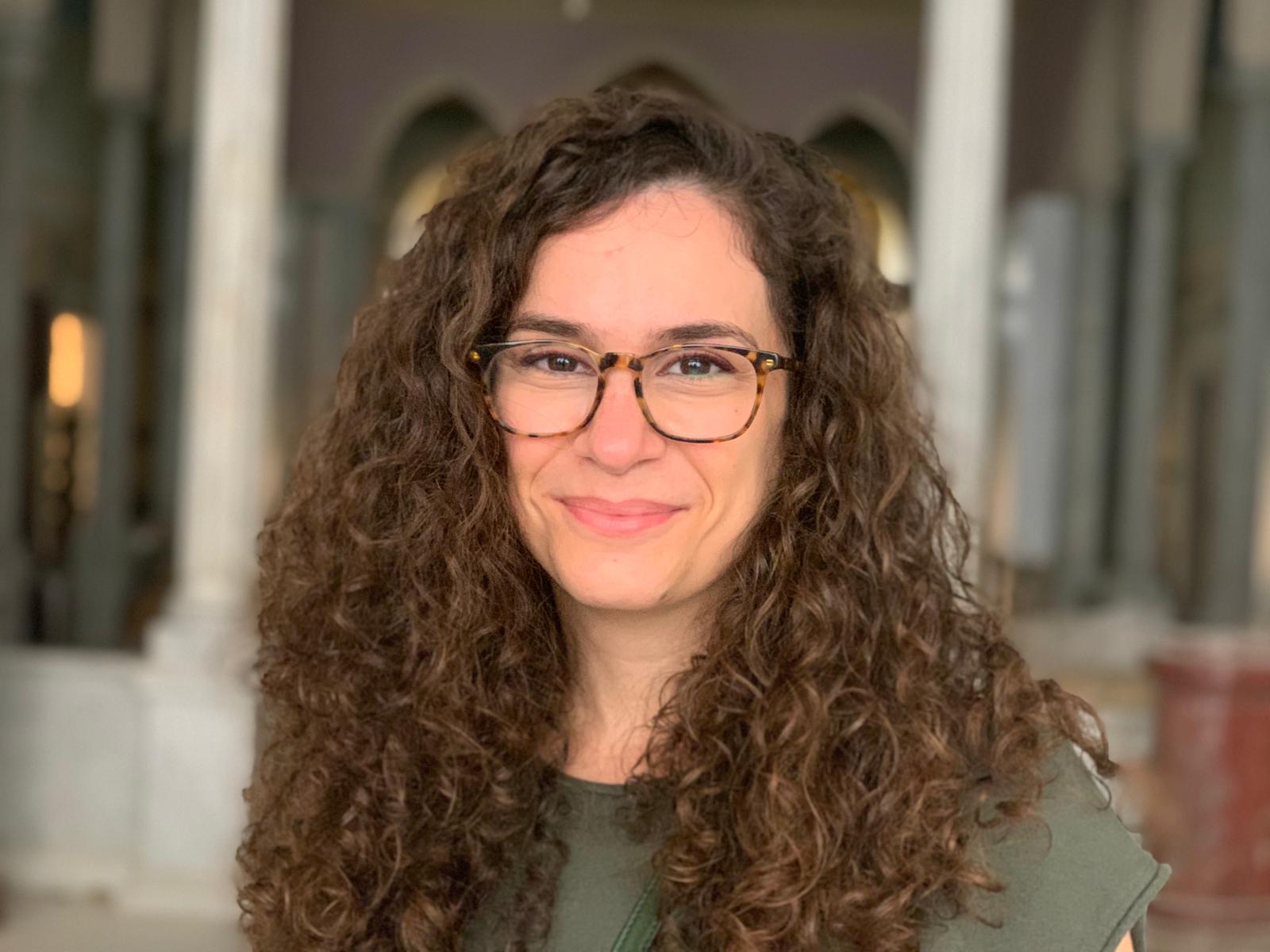
Micha Tobia
ModeratorMicha Tobia is the Editorial Director at TIMEP. Micha is the co-founder and co-editor of Mashallah News, an online platform about the Arab world, Turkey, and Iran, which covers less told stories from the region’s cities. Prior to joining TIMEP, Micha worked at the Beirut-based think tanks The Policy Initiative (TPI) and the Lebanese Center for Policy Studies (LCPS). She is a former Fellow at Oxford University’s Reuters Institute for the Study of Journalism, and holds a BA in Political Science and an MA in International Relations from the American University of Beirut.