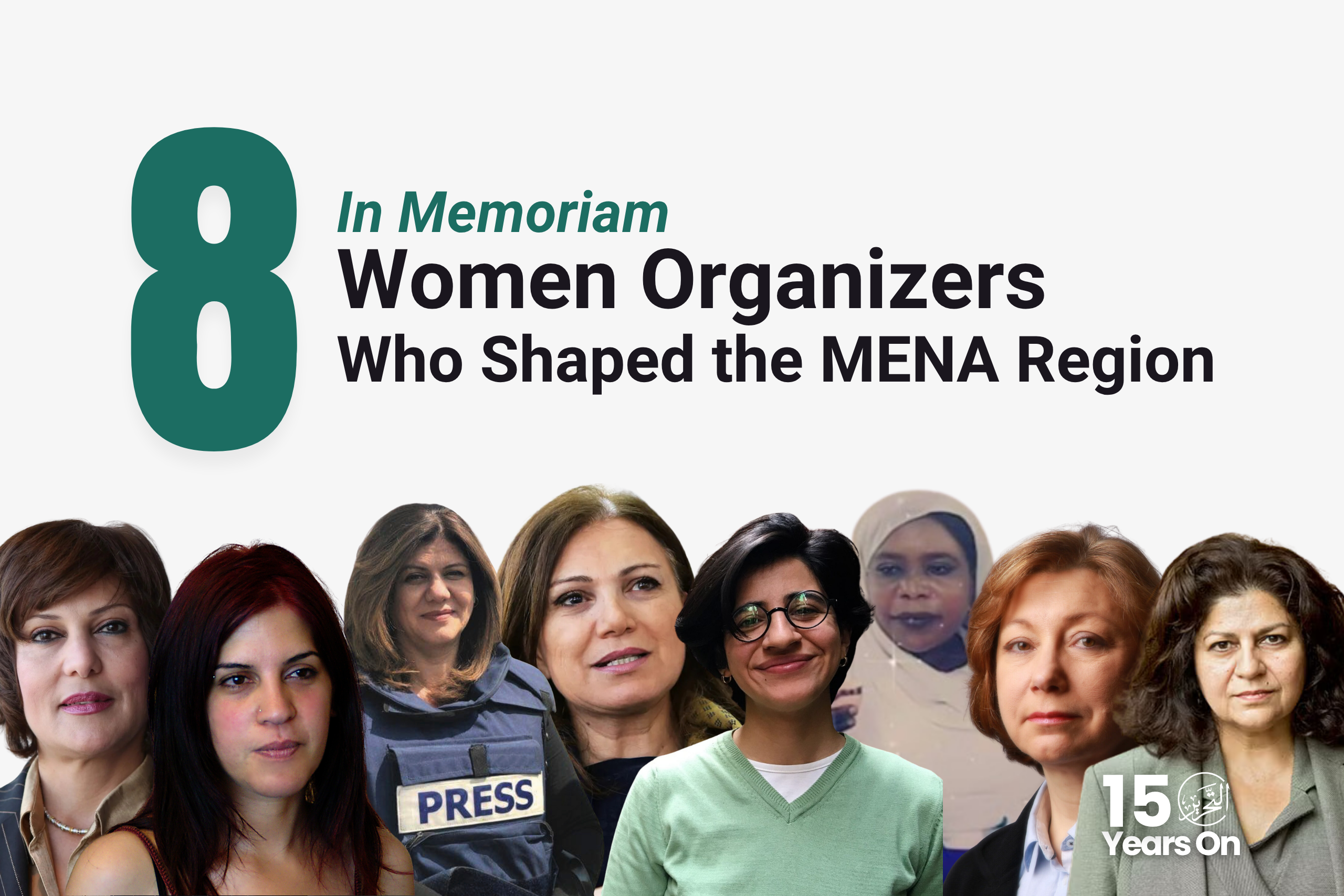
As International Women’s Month wraps up, we remember eight women organizers from the region who fought for a better region and in whose stories we find inspiration. We honor those named here, others whose names are not listed, and the many around the region whose names we may not know.
You can explore this page in the form of an Instagram slide deck here.
Lina Ben Mhenni
“I am the activist of all causes.”Lina Ben Mhenni was a Tunisian blogger, educator, and activist whose voice rose to prominence as Tunisia’s Revolution unfolded. Born in Tunis in 1983 and raised in a politically engaged family, she used her blog A Tunisian Girl to document censorship, women’s rights, and state repression well before the revolution began.
When protests erupted after Mohamed Bouazizi’s self-immolation in December 2010, she became a leading voice reporting from inside the country. Traveling to Sidi Bouzid, Kasserine, and Regueb, she documented police brutality, sharing photos and testimonies online despite a strict media blackout.
After the revolution, she continued advocating for human rights, freedom of expression, and justice for victims and their families. She also launched initiatives to support prison libraries, delivering over 45,000 books across Tunisia. Recognized internationally, she was nominated for the Nobel Peace Prize in 2011.
She passed away in 2020 at the age of 36 after a long battle with lupus.

Sarah Hegazi
Sarah Hegazi was an Egyptian queer feminist and human rights defender.
As a member of the Bread and Freedom Party in Egypt, she advocated for political prisoners, opposed the death penalty, and supported movements for freedom across the MENA region, including in Palestine, Syria, Lebanon, and Sudan. Her activism was intersectional, grounded in class struggle and solidarity.
In 2017, she raised a rainbow flag at a Mashrou’ Leila concert in Cairo—an act that made her a target for state repression. As part of the anti-LGBTQI+ crackdown that followed, Sarah was arrested, detained, and subjected to torture. Sarah was fired from her job and experienced severe depression and post-traumatic stress disorder. Out of fear for her safety amid continued targeting, bullying, and repression, Sarah was forced to flee Egypt in 2018. She traveled to Canada where she sought political asylum.
While living in exile apart from her loved ones, and the country and community most dear to her, Sarah took her life on June 13, 2020. She was 30 years old.

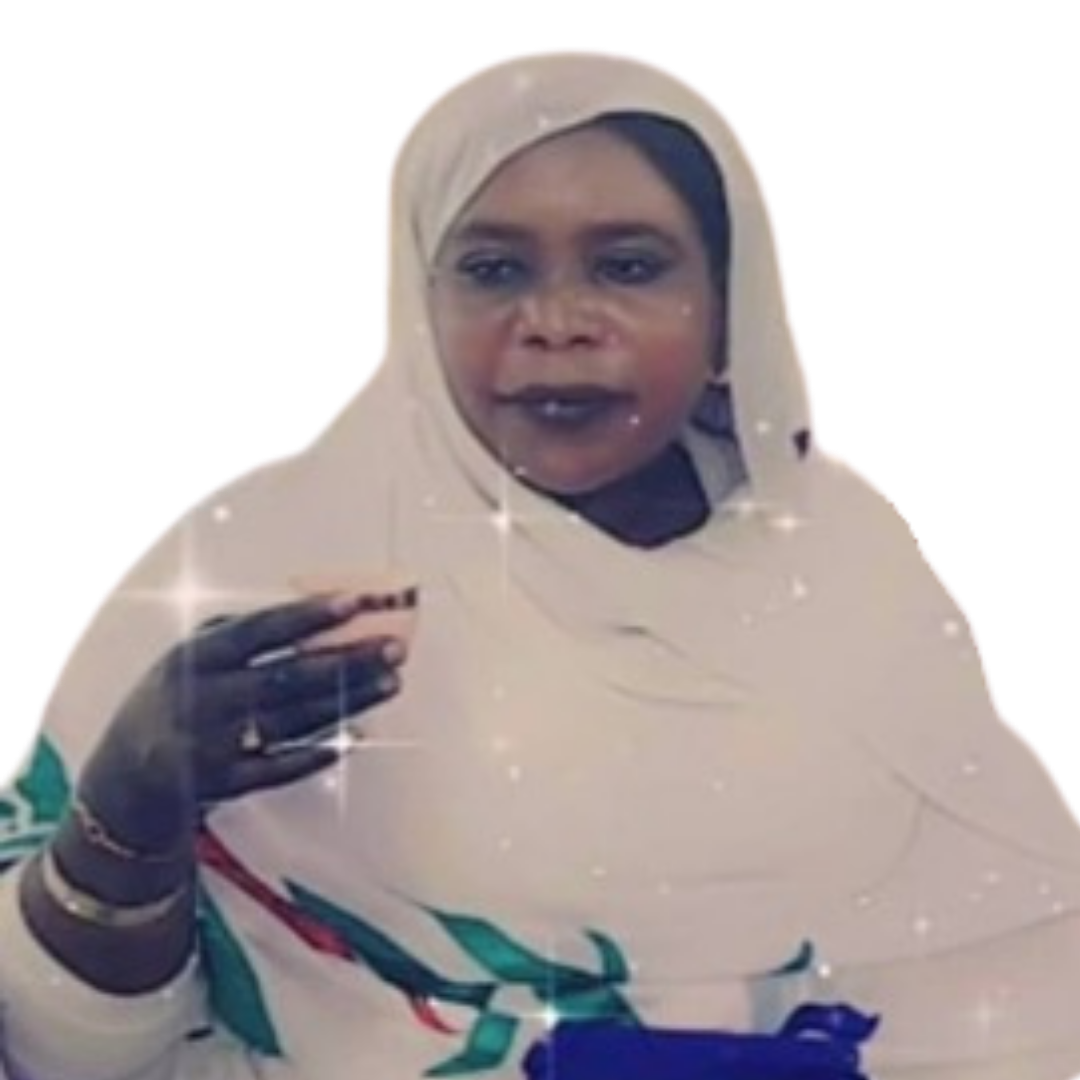
Bahjaa Abdelaa Abdelaa
Bahjaa Abdelaa Abdelaa was a Sudanese human rights defender who worked tirelessly in support of Sudanese women. Born in Nyala, South Darfur, she was also an economist who graduated from the University of Khartoum in 2020.
She was a member of the Women Revolutionary Group, which was created to advocate for women’s rights, gender equality, and social justice, as well as to support survivors of rape and sexual violence in Darfur. Bahjaa became known for her monitoring and documentation work, highlighting the pervasiveness of sexual violence during conflict. She was also part of the Darfur Collation of Women Human Rights Defenders (TMD).
As the war raged in Sudan, and after receiving death threats due to her human rights work, on October 26, 2023, Bahjaa was shot and killed by unidentified gunmen while attending a relative’s funeral at Kalma camp for internally displaced people in Nyala.
She was 26 years old.
Giselle Khoury
Known as the “grande dame of Arab journalism” for her pointed interview style, Giselle Khoury was a Lebanese journalist and television personality whose career spanned almost four decades, defined by her commitment to freedom of expression and pluralism.
She began at LBC in 1985, later joined MBC, and also contributed to the launch of Al-Arabiya. She became known for hosting major political programs such as Bil Arabi and Studio Beirut, where she interviewed leading political figures from across the region. Her work continued with BBC Arabic and Sky News Arabia. As one of the first women Arab journalists to host such high-profile programs, she helped reshape the media landscape.
After the 2005 assassination of her husband, journalist Samir Kassir, she co-founded the Samir Kassir Foundation to support independent journalism, monitor press freedom, and nurture new generations of media professionals.
She passed away in October 2023 at the age of 62 after a battle with cancer.

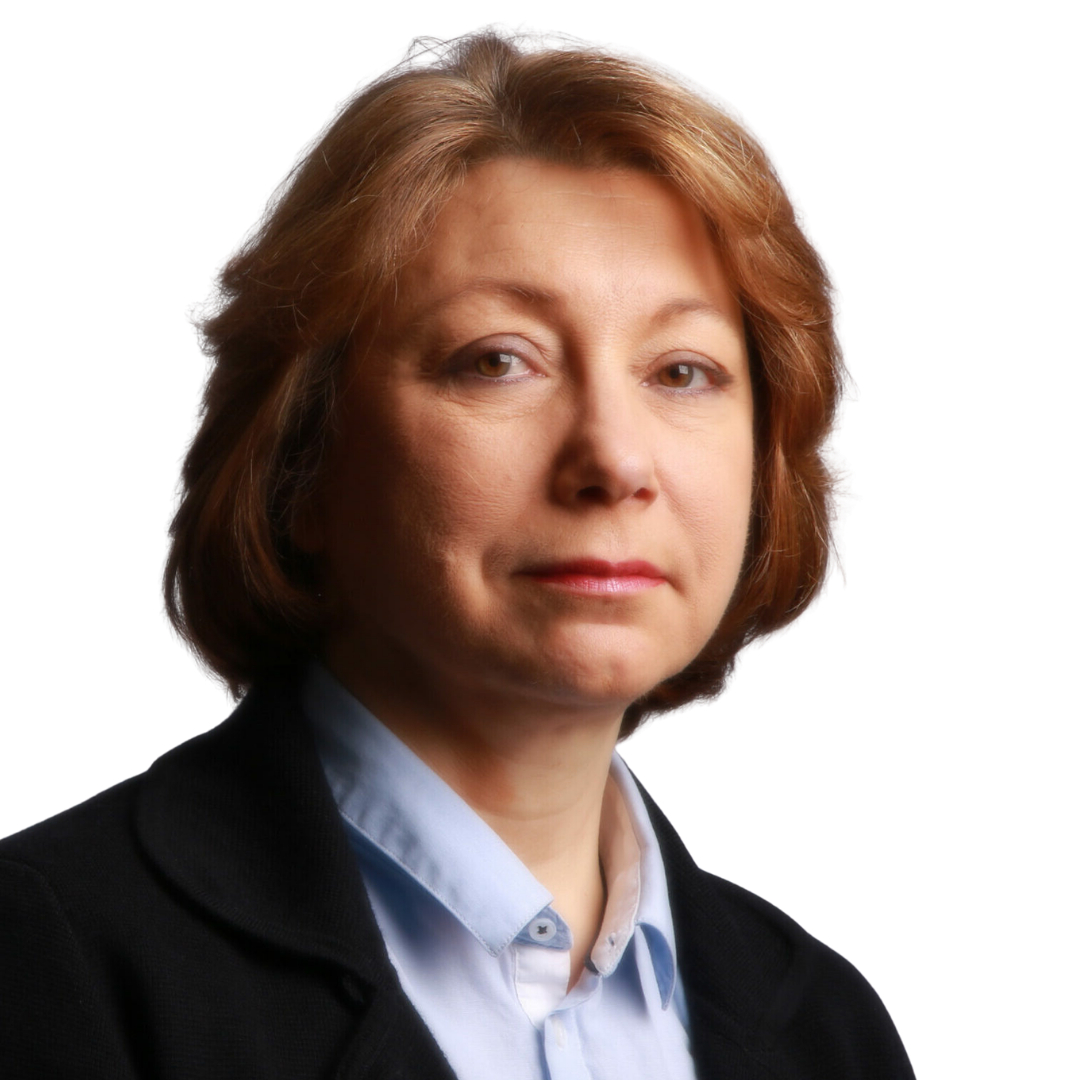
Bassma Kodmani
Bassma Kodmani was a Syrian academic, advocate, and political figure, whose career bridged research, policy, and activism.
She co-founded the Arab Reform Initiative (ARI), a collaborative think tank “to articulate a home-grown agenda for democratic change in the Arab region,” serving as Executive Director from 2005 to 2019.
When Syrians peacefully took to the streets in 2011, Bassma took a temporary leave from ARI to serve as Head of Foreign Relations and spokesperson with the Syrian National Council, the opposition body organizing for a democratic alternative at the time, until her resignation in 2012. In 2016, she participated in the Geneva peace talks as part of the delegation of the democratic opposition.
Holding a PhD from Sciences Po, Bassma authored and edited multiple works on Middle Eastern politics and conflict and was a renowned political thinker. Her vision for a Syria that embraces the equal participation of all Syrians is one that continues to inspire younger scholars today. She died of breast cancer at the age of 64.
Shireen Abu Akleh
“I chose journalism to be close to people. It might not be easy to change the reality, but at least I can bring their voices to the world.” Shireen Abu Akleh was a Palestinian-American journalist and one of the most recognizable voices in the Arab world. Born in Jerusalem in 1971, she spent over 25 years covering the realities of life under Israeli occupation.
After studying journalism at Yarmouk University, she began at Voice of Palestine radio and Radio Monte Carlo before joining Al Jazeera in 1997. At a time when few Palestinian women worked as field reporters, she became a leading correspondent. She rose to prominence during the second intifada in 2000, reporting from the ground and centering the lived experiences of Palestinians—from political prisoners to families affected by displacement and violence.
On May 11, 2022, Shireen was shot and killed in a targeted attack by Israeli Defense Forces, while wearing a press vest and while covering a raid in Jenin. Her funeral, which was attacked by Israeli police forces, drew hundreds of mourners and widespread solidarity.

Salwa Bugaighis
Salwa Bugaighis was a Libyan lawyer, human rights advocate, and political figure. She was active in the 2011 Libyan Revolution, which ultimately overthrew Muammar Gaddafi. Based in Benghazi, she built her career defending political prisoners and advocating for justice under an authoritarian regime.
From the start of the uprising, she was on the front lines, helping to organize protests and becoming a member of the National Transitional Council. She later resigned in protest over the lack of women’s representation. She continued her work through national dialogue initiatives aiming to bridge divisions across Libya’s fragmented society.
Bugaighis was known for her outspoken criticism of armed groups and extremists. Even in the face of threats and violence, she remained committed to building democratic institutions and a more inclusive Libya.
In June 2014, after returning home following her vote in the country’s parliamentary elections, she was assassinated in a targeted attack in which gunmen stormed her home, shot and stabbed her, and abducted her husband. She was 51 years old.

Yanar Mohammed
Yanar Mohammed was a prominent Iraqi feminist and human rights defender.
In 1998 while living in Canada, she founded the Defense of Iraqi Women’s Rights, which in 2004, became the Organization of Women’s Freedom in Iraq (OWFI). At this point, Yanar had relocated back to Iraq, and the group created the first shelters for women fleeing domestic violence, sex trafficking, and threats of honor killings. In the years since, OWFI has operated a network of safe houses and shelters around the country and helped hundreds of women.
Yanar served as editor of the feminist newspaper Al-Mousawat and participated in protests in Tahrir Square. She regularly advocated for marginalized groups in Iraq, including displaced communities and LGBTQI+ individuals.
For years, Yanar received death threats for her work, at times having to restrict her movement. In March 2026, unidentified gunmen shot her outside her home in Baghdad. She was 66 years old.
