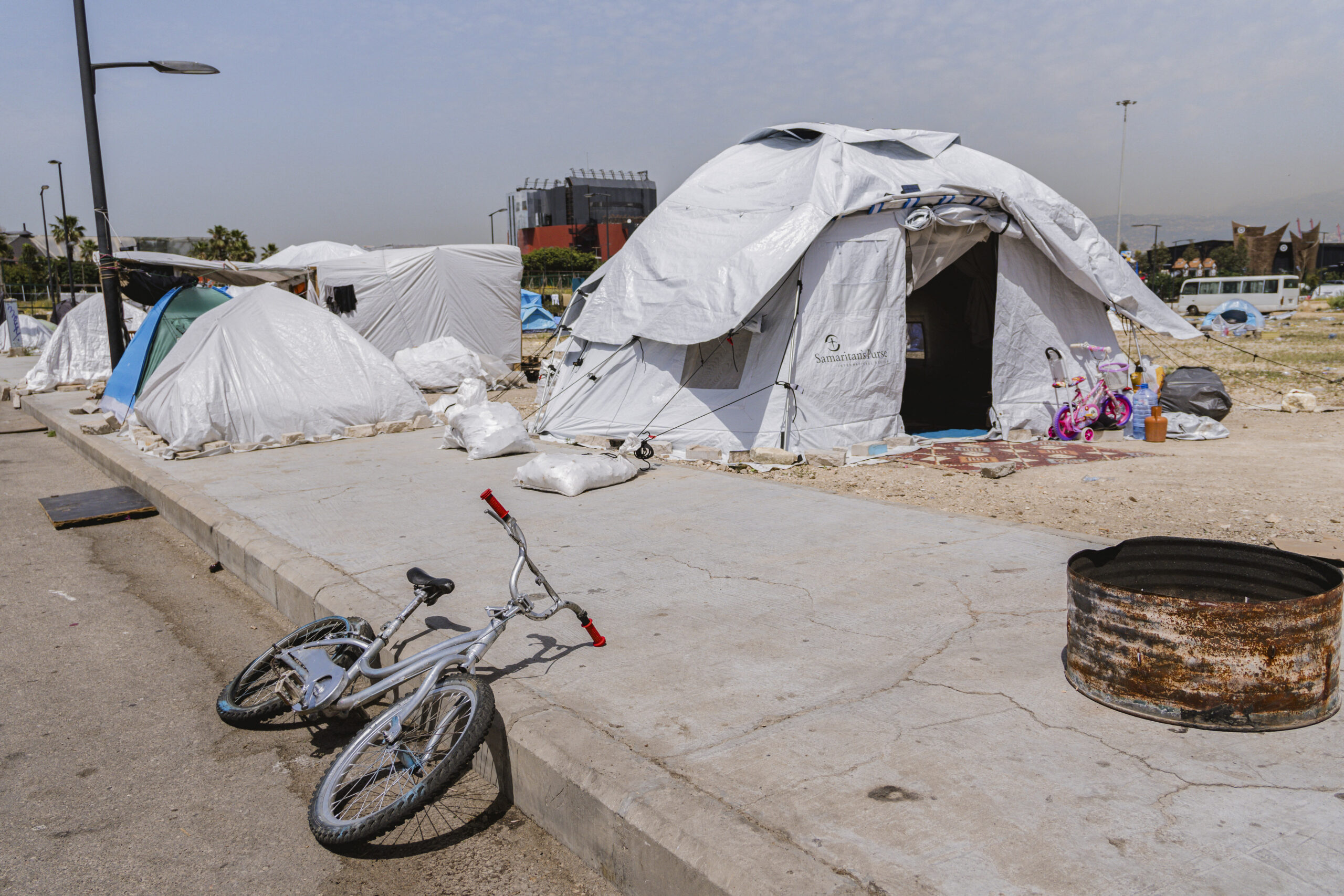
With conflict, crisis, and repression driving high levels of instability, the Middle East and North Africa (MENA) region continues to be one of the world’s largest originators of and hosts for refugees and internally displaced people globally. Ahead of World Refugee Day, the Tahrir Institute for Middle East Policy (TIMEP) will be hosting “Displacement Without Protection: Refugee Rights at a Crossroads” on Thursday, June 18, from 10:00 to 11:30 AM EST, featuring Houda Mzioudet, Diana Rayes, Mustafa Alio, and Nour Khalil, moderated by Nadine Kheshen. Speakers will cover key questions: What have been the latest trends and developments driving displacement and impacting refugees and displaced persons in and from the MENA region? How have host and donor countries responded? What do the lived experiences of refugees from and in the MENA region tell us? And what does meaningful protection for refugees look like in the current regional context?
Over the last year, numerous developments across the MENA region and around the world have severely impacted the lives of refugees and displaced persons and created new refugees. In Egypt, despite a newly-adopted asylum law, Sudanese and Syrian refugees have been subject to an escalating crackdown, involving arrests, arbitrary detention, enforced disappearance, and deportations. While hundreds of thousands of Syrian refugees from across the region and around the world have returned home following the fall of Bashar al-Assad in Syria, outbreaks of violence, fragmented governance, and strained institutional capacity and public services prevent many from being able to do the same. Meanwhile, pressure from European host countries is mounting to force premature returns to Syria. In Tunisia, where a dangerous narrative around refugees has taken hold while grounded in “great replacement” theory, advocates working on the refugee file have been targeted for prosecution. Meanwhile, continued Israeli attacks on Gaza and Lebanon have displaced nearly 3 million from their homes. With a tightening funding climate, a severe global regression in respect for international law, and a proliferation of externalization agreements that have entrenched problematic policies and practices to keep refugees off European shores, the situation facing refugees and internally displaced people in and from the MENA region is in need of serious reimagination.
Watch the discussion:
Speaker profiles:
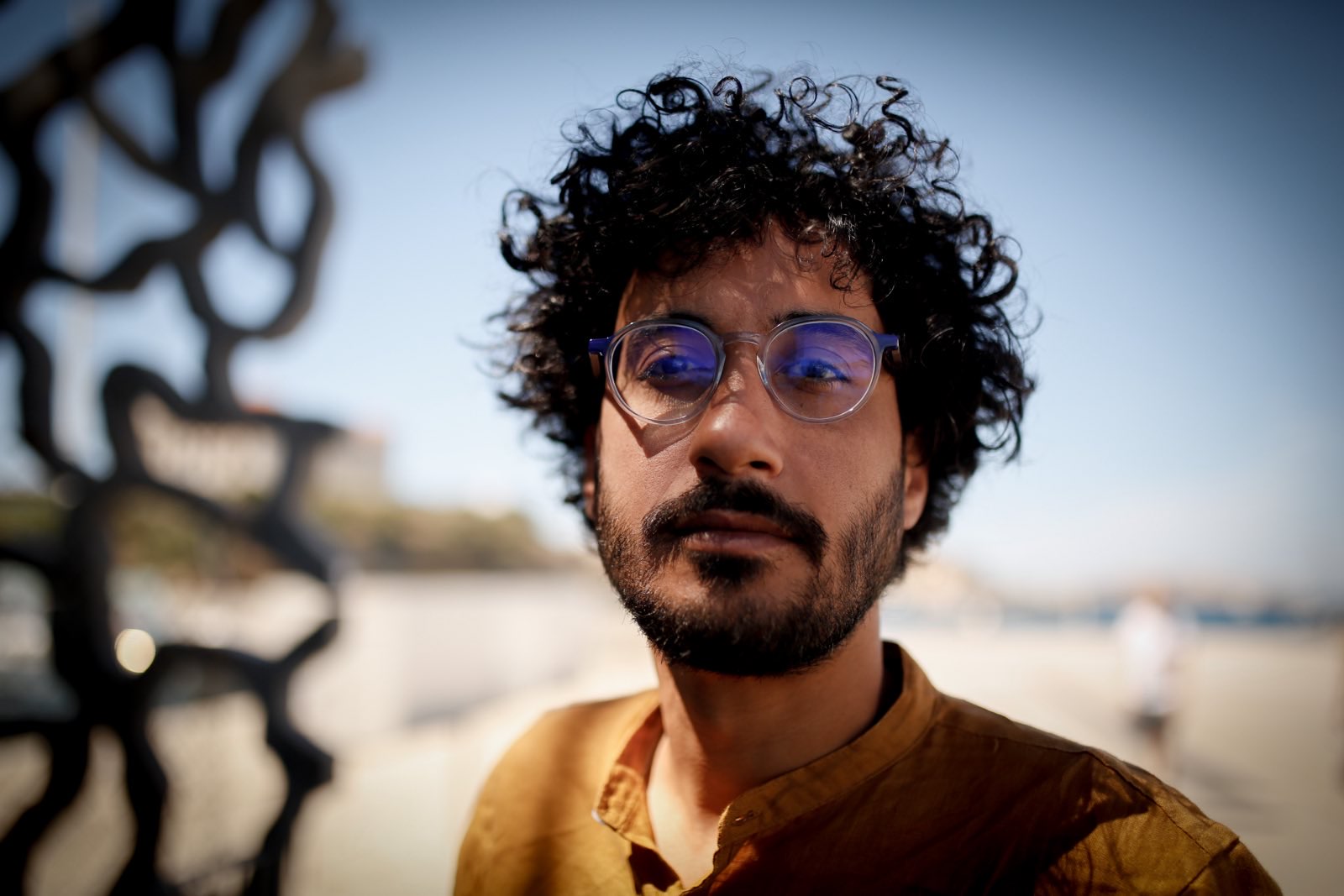
Nour Khalil
Nour Khalil is the co-founder and executive director of the Refugees Platform in Egypt. His policy work focuses on immigration and refugees, as well as border violations. He has considerable experience in the development field and as a rights defender, providing legal consultations, and documenting human rights violations in Egypt and beyond. As a journalist, Khalil published analytical and investigative pieces in The New Humanitarian and Ida2at. He is currently operating from exile after Egyptian authorities targeted him with imprisonment, freezing of assets, and a travel ban. Khalil holds a degree in law and Islamic jurisprudence from Al Azhar University.

Diana Rayes
Dr. Diana Rayes is the program director of the Faith and Global Health Initiative at Georgetown University’s Global Health Institute. A global health scholar, her work explores how political crises, migration, and faith intersect to shape health systems, behaviors, and policy. Her current book examines displacement, humanitarianism, and resilience in the context of the Syrian crisis. Rayes has worked across academic, humanitarian, and multilateral sectors, including with WHO, UNICEF, and several nonprofits and think tanks, bridging research, policy, and practice in fragile settings. She is a nonresident fellow at the Atlantic Council and previously held a postdoctoral appointment at Georgetown’s School of Foreign Service. She holds a Ph.D. in international health and MHS in global mental health from Johns Hopkins University and a B.S. in psychology from Arizona State University.
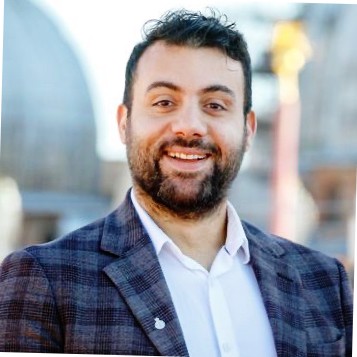
Mustafa Alio
Mustafa Alio is the Co-Managing Director of R-SEAT, Refugees Seeking Equal Access at the Table, an international initiative dedicated to strengthening the global refugee response by embedding meaningful refugee participation and leadership at national and international levels. Before R-SEAT, he co-founded and led Jumpstart Refugee Talent, a refugee-led organization advancing refugee economic inclusion. Under his leadership, Jumpstart Refugee Talent played a key role in shaping Canada’s Economic Mobility Pathways Pilot in 2017, the first government-led labor mobility pathway for refugees, and advancing the concept globally through the Global Compact on Refugees, where it has since been adopted as a model in multiple countries. His work also focuses on localization and refugee-led approaches across the Middle East, East Africa, and Latin America, including policy issues related to safe, dignified, and sustainable return and reintegration. At the 2019 Global Refugee Forum, Alio became the first refugee advisor to the Canadian delegation. In 2021, he received the Meritorious Service Decoration, Civil Division, from the Governor General of Canada. He has published widely in outlets including The Independent, The New York Times, Stanford Social Innovation Review, and Forced Migration Review.
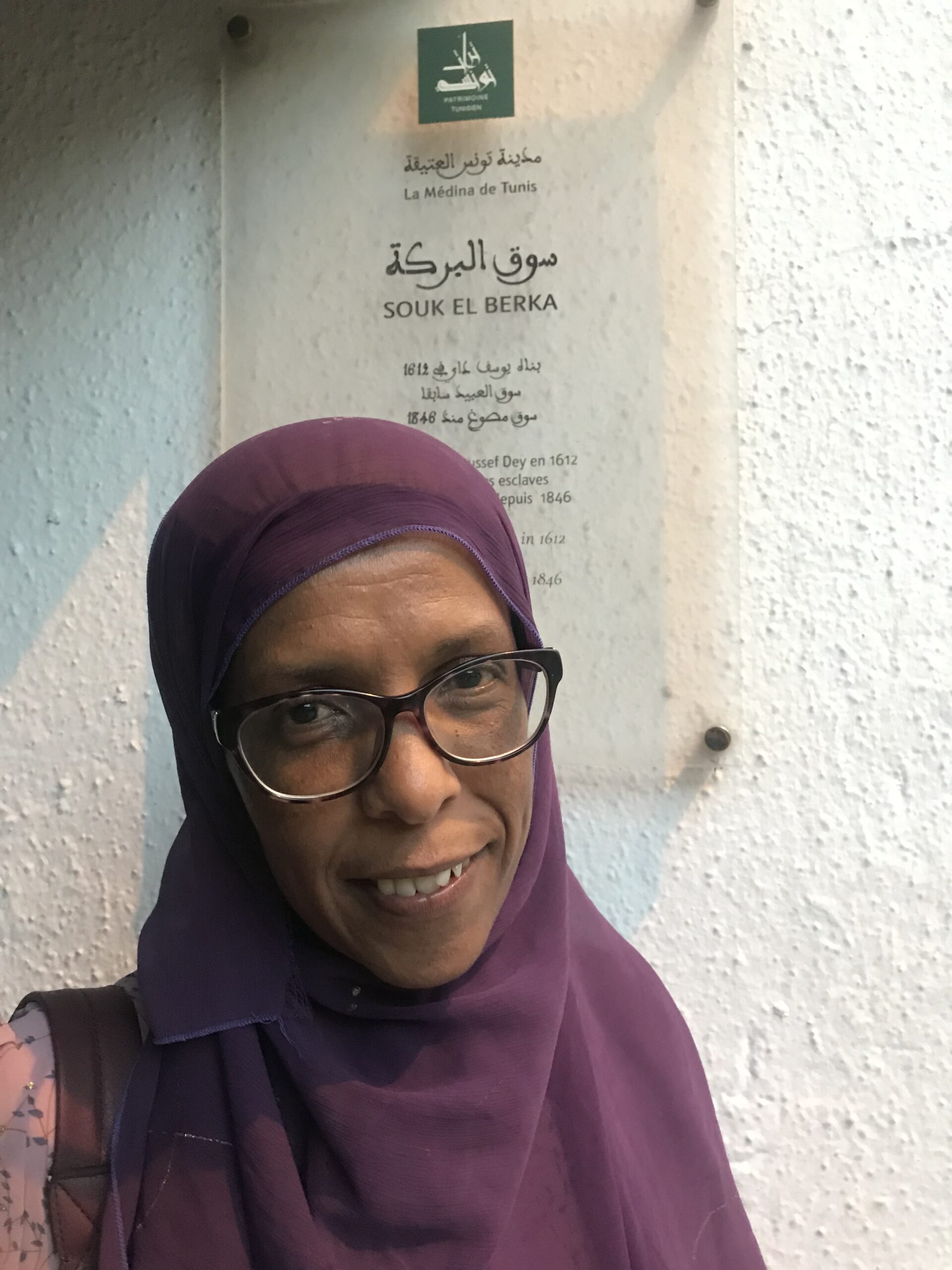
Houda Mzioudet
Houda Mzioudet is a freelance researcher in Tunisian and Libyan affairs. She has covered the Arab uprisings with various international media outlets. Global think tanks, including the Brookings Institution and the Carnegie Endowment for International Peace have published her research on the Tunisian democratic transition and the conflict in Libya. She co-authored in 2016 a book on Libya’s displacement crisis with Megan Bradly and Ibrahim Fraihat, published with Georgetown University Press. She also wrote two book chapters: one on black Tunisian activism and transitional justice in the book “Transitional Justice in Tunisia: Innovations, Continuities, Challenges” co-edited by Simon Robins and Paul Gready and published in 2022 with Routledge; and the chapter “Yearning for Freedom, Reclaiming Agency: The Emancipatory Strategies of Black Tunisians and Libyans,” in the book “Mediterranean Mobilities: Between Migrations and Colonialism” edited by Gabriele Montalbano and published with Viella (Rome, Italy) in 2024. She holds a B.A. in English language and Literature and an M.A. in cultural studies from the University of Manouba in Tunisia. She also holds a B.A. in political science from the University of Toronto, Canada. Currently, she is pursuing an M.A. in conflict studies at Saint Paul University, Ottawa.

Nadine Kheshen
ModeratorNadine Kheshen is a Legal Associate at TIMEP. She is an international criminal and human rights lawyer who has been working on conflict and human rights in the Middle East since 2016. She graduated with a JD from Loyola Marymount Law School, Los Angeles, and holds a bachelor’s degree in Political Science from MacEwan University in Edmonton, Canada. Since moving to Lebanon in 2019, Nadine’s work with local organizations focused primarily on advancing the rights and treatment of Palestinian and Syrian refugees in the country. She has advised foreign and national stakeholders about the key structural and legal issues affecting refugees and helped build collaboration between local and international NGOs to improve advocacy efforts.