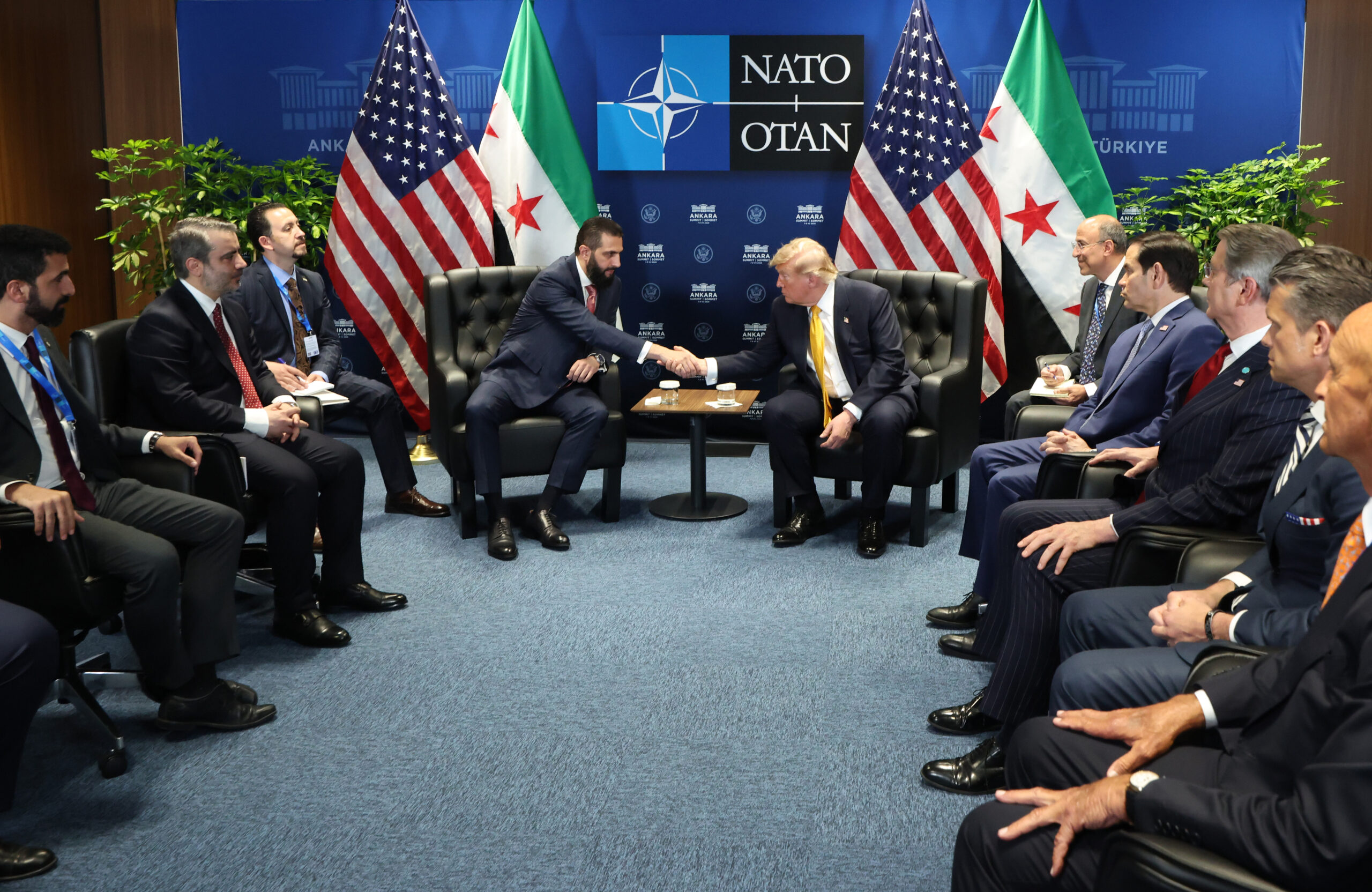
On November 3, 2026, Americans will head to the polls to vote in the U.S. midterm elections. In the lead-up to the vote, a number of policy files affecting the MENA region, from the war on Iran to talks with Lebanon, have become a key part of the mainstream U.S. policy discussion. The midterms additionally offer an opportunity for observers to assess the Trump administration’s foreign policy at-large in the MENA region. Whether the establishment of the Gaza Board of Peace, the Quad negotiations on Sudan, or the lifting of sectoral economic sanctions on Syria, the Trump administration has asserted itself as a power broker in the Middle East, bringing with it profound effects for the region and its people.
On Thursday, October 8, 2026, at 10:00 AM EST, the Tahrir Institute for Middle East Policy (TIMEP) hosted “Trump 2.0 and the MENA Region: A Midterm Assessment”, an online event featuring Jasmine El-Gamal, Natasha Hall,Sami Halabi,andJohn Chappell, moderated by Douglas Christensen. The panel explored key questions: What have the first two years of the Trump administration’s foreign policy in the MENA region looked like? From Syria and Lebanon to Gaza and Sudan, how have the people of the region experienced these policies first-hand? What are the prospects of U.S.-led negotiations and talks across the region? Going forward, how might we expect the midterms to impact U.S. foreign policy toward the MENA region?
Watch the discussion:
Speaker profiles:
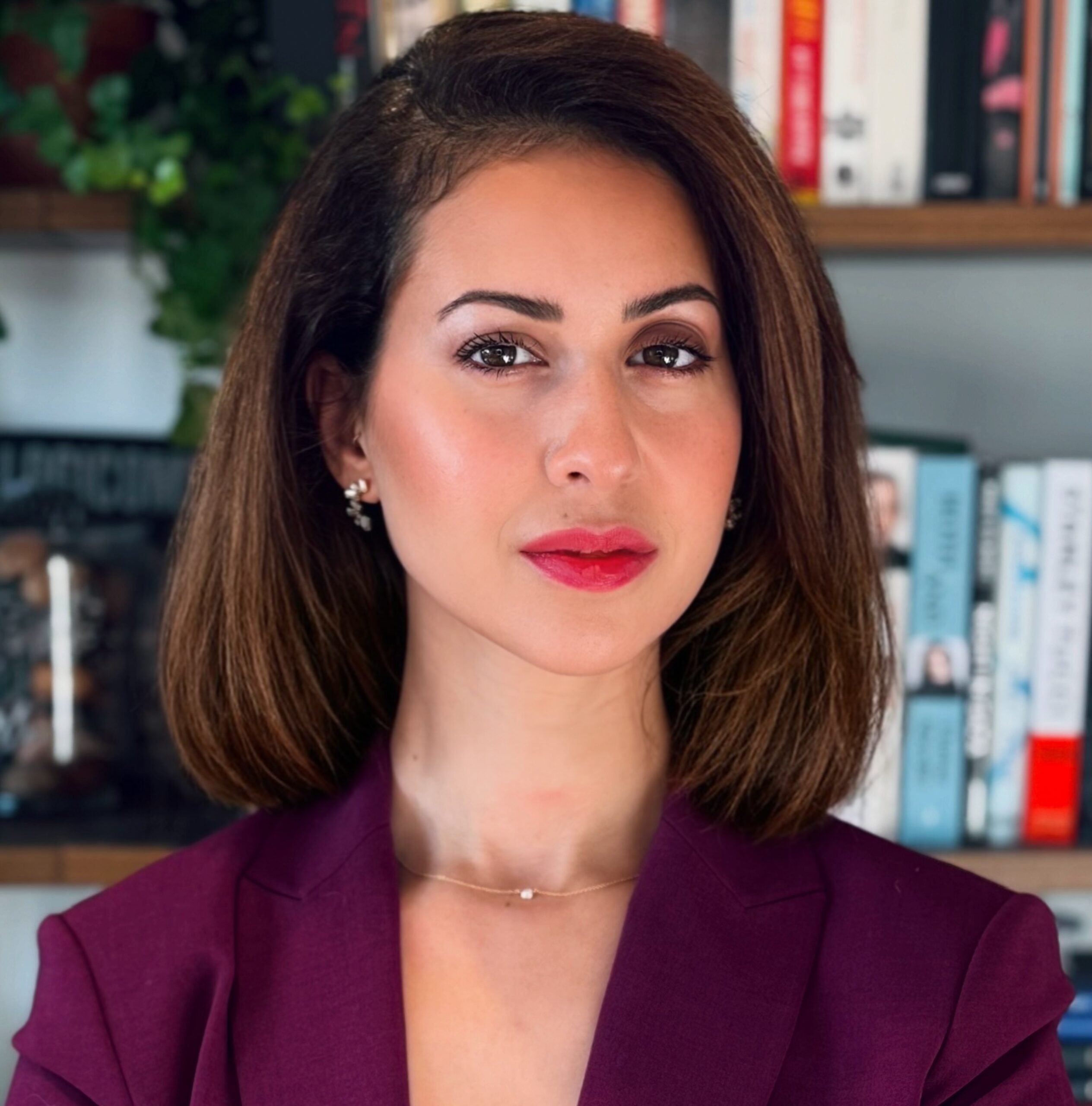
Jasmine El-Gamal
Jasmine El-Gamal is a geopolitical analyst, writer, and strategic advisor with more than 25 years of experience across the public and private sectors. She is the Founder and CEO of Averos Strategies, an advisory firm that provides geopolitical counsel and strategic communications guidance to institutions, investors, and political leaders, navigating political complexity and global risk. She serves as a Senior Middle East Advisor to the Oxford Process, a conflict resolution organization that specializes in back-channel diplomacy to ripen the conditions for peace. Jasmine served as a Middle East advisor at the U.S. Department of Defense during the Obama administration, where she counseled Pentagon leadership during pivotal events such as post-war Iraq, the Arab Spring, the campaign against ISIS, and the Syrian conflict. She is a regular commentator on CNN, Bloomberg, CNBC, BBC, Sky News, and France 24, and her commentary has appeared in The New Statesman, The Washington Post, Time Magazine, New York Magazine among other international outlets.
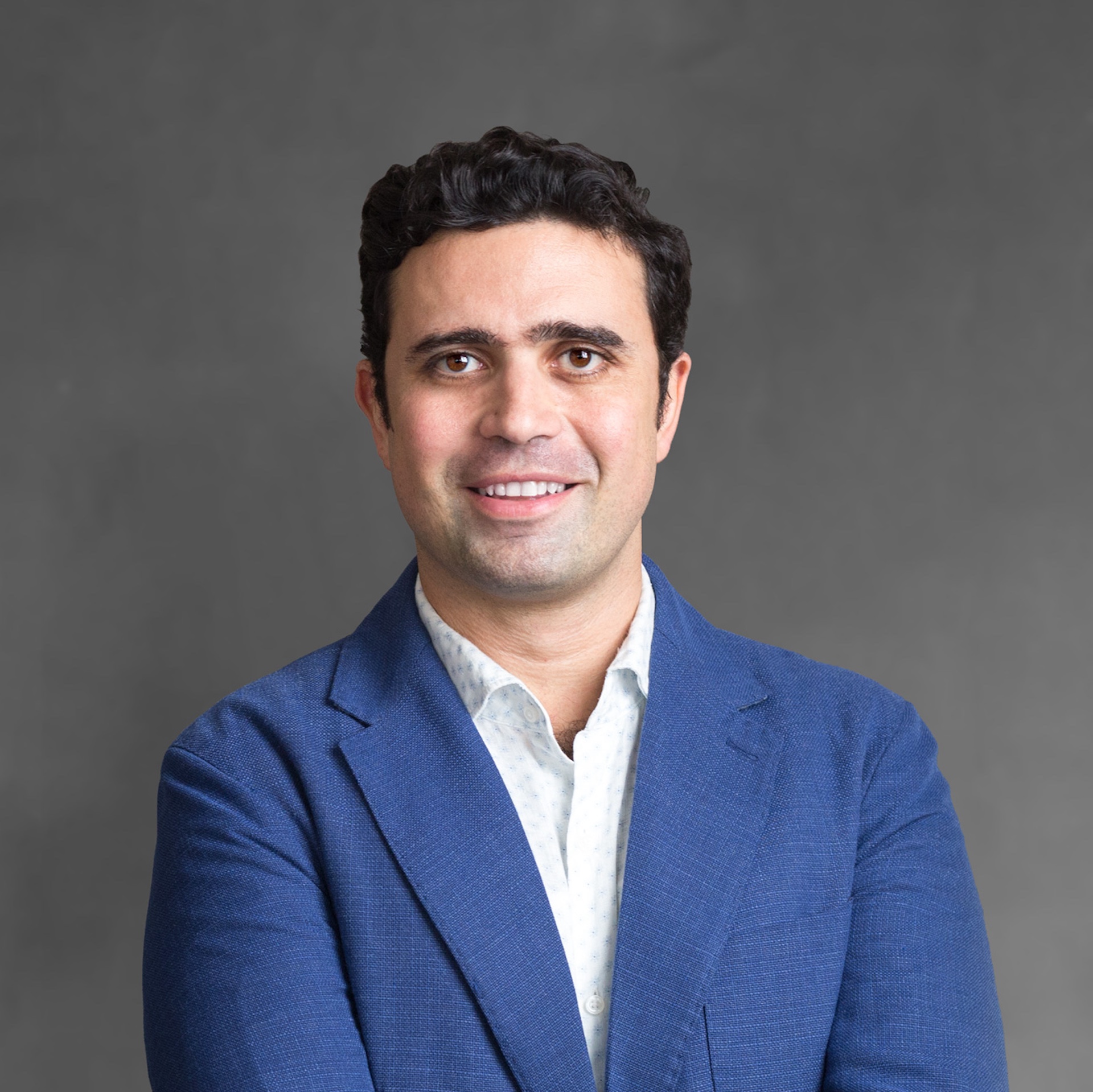
Sami Halabi
Sami Halabi is the Director of Policy at Triangle and The Alternative Policy Institute | BADIL. He is a policy expert and political economy analyst focusing on sovereignty, disarmament, governance, and the political economy of state-building in Lebanon. Sami’s work examines how Lebanon can move from externally imposed security arrangements and militia-based deterrence, toward a sovereign national defense posture rooted in accountable state institutions. He has extensive experience in policy development, advocacy, strategic communications, and applied political economy research, and is regularly invited to contribute to international forums and television discussions on Lebanon’s governance, reform, and security challenges. He holds a Master’s degree in Public Policy from the University of Edinburgh.

Natasha Hall
Natasha Hall is a Senior Advocate at Refugees International and an Associate Fellow with Chatham House’s Middle East and North Africa Programme. She is an expert on U.S. policy in the Middle East, with nearly two decades of experience focused on conflict, displacement, and humanitarian policy in 15 countries worldwide with the U.S. government, humanitarian NGOs, and think tanks.

John Chappell
John Ramming Chappell is a Senior Non-Resident Fellow at the Center for International Policy whose research and writing focuses on human rights, armed conflict, and U.S. foreign policy. He previously worked for five years at Center for Civilians in Conflict (CIVIC), where he led advocacy campaigns on protection of civilians issues in Sudan, Palestine, Yemen, Nigeria, maritime Latin America, Ukraine, and elsewhere. He has also worked at several other advocacy and research organizations. John holds a J.D. and a Master’s in Foreign Service from Georgetown University.

Douglas Christensen
ModeratorDouglas Christensen is the Advocacy Manager at TIMEP, where his work centers around positioning advocates from and in the MENA region to engage effectively and impactfully with policymakers in Washington, DC and other global policy capitals. His expertise is in US foreign policy and in the MENA region, and his work has been published with TIMEP, Arab Center Washington DC, and the academic journal, Protest. He has briefed officials across Congress, the White House, and the State Department across multiple administrations, as well as other governments and EU and UN institutions on MENA policy issues, and he has informed the work of reporters from outlets such as the New York Times, the BBC, NPR, and the Guardian. He previously served as Advocacy Associate at TIMEP and Liaison for US Government Affairs at Arab Center Washington DC. He holds an MA in Arab Studies from Georgetown University’s Center for Contemporary Arab Studies and BA in Government with minors in Arabic and Mathematics from St. Lawrence University. You can follow him on Twitter: @d_christensen9.