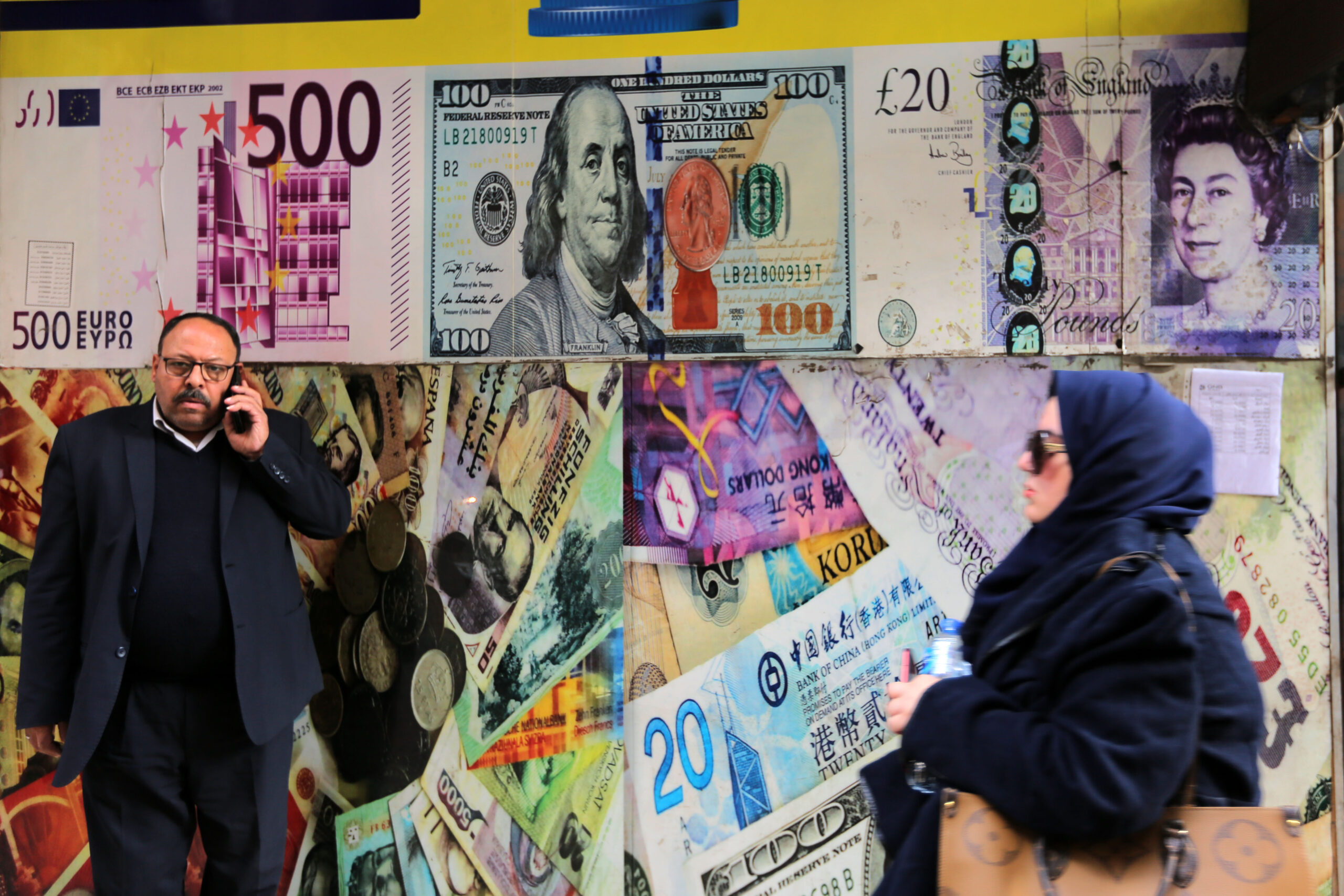
December 2026 will mark the end of Egypt’s current program with the International Monetary Fund (IMF) and 10 years since the country first turned to the lender for support. Since 2016, Egypt has received financing from the IMF through five programs worth a total of nearly $30 billion that were intended to stabilize the economy, prevent future currency crises, and promote inclusive private-sector growth. Under the programs, the economy has made progress on several fronts and weathered global and regional crises, but the toll of subsidy cuts and currency devaluations has been severe on the population: poverty has risen and inequality has deepened. Questions on the state’s economic role, which continues to remain extensive, are unresolved. Egypt wraps up this program amid an uncertain geopolitical and geoeconomic environment: high global oil prices, rising interest rates, and the risk of additional regional conflicts simmering. Meanwhile, an unprecedented crackdown on press freedom unfolds.
On Monday, November 16, at 10:00 AM EST, the Tahrir Institute for Middle East Policy (TIMEP) will host “A Decade with the IMF: What’s Next for Egypt?,” an online moderated discussion featuring Ishac Diwan, Heba Ghannam, Jasmine El-Gamal, and Timothy E. Kaldas, moderated by Sahar Mechmech. Panelists will engage with the following questions: In a challenging geopolitical environment, what economic challenges does Egypt face as this program wraps up? What have been the outcomes of Egypt’s IMF programs over the last decade? Should and will Egypt pursue another IMF program and if it does, what should the country’s economic priorities be going forward?
Speaker profiles:
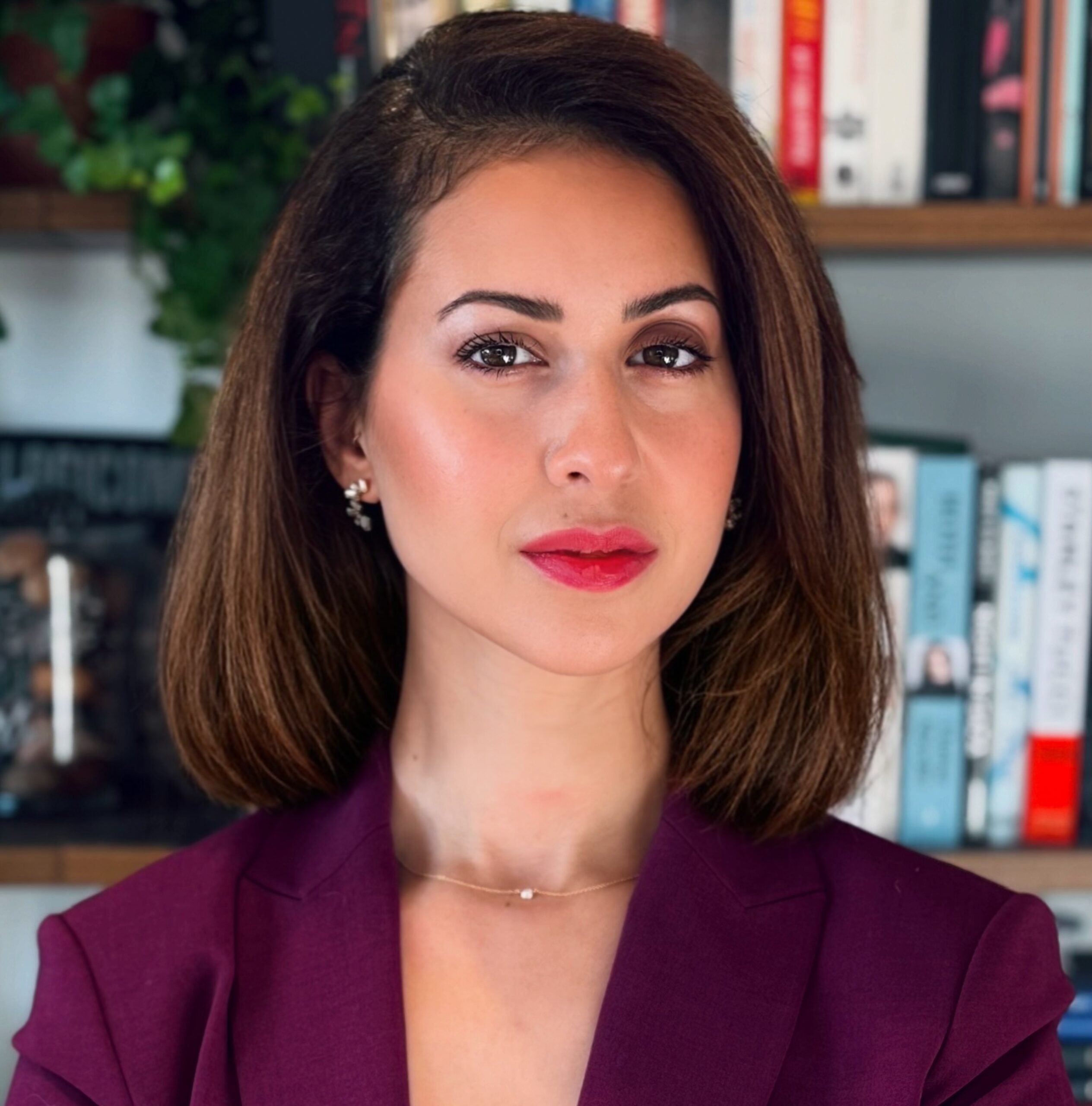
Jasmine El-Gamal
Jasmine El-Gamal is a geopolitical analyst, writer, and strategic advisor with more than 25 years of experience across the public and private sectors. She is the Founder and CEO of Averos Strategies, an advisory firm that provides geopolitical counsel and strategic communications guidance to institutions, investors, and political leaders, navigating political complexity and global risk. She serves as a Senior Middle East Advisor to the Oxford Process, a conflict resolution organization that specializes in back-channel diplomacy to ripen the conditions for peace. Jasmine served as a Middle East advisor at the U.S. Department of Defense during the Obama administration, where she counseled Pentagon leadership during pivotal events such as post-war Iraq, the Arab Spring, the campaign against ISIS, and the Syrian conflict. She is a regular commentator on CNN, Bloomberg, CNBC, BBC, Sky News, and France 24, and her commentary has appeared in The New Statesman, The Washington Post, Time Magazine, New York Magazine among other international outlets.

Timothy E. Kaldas
Timothy E. Kaldas is the Deputy Director of the Tahrir Institute for Middle East Policy. He is also an adjunct professor of international relations at the Autonomous University of Barcelona where he is pursuing his PhD. His current research interests focus on the political economies of MENA countries, regime competition and survival strategies and Egypt’s foreign policy. He lived in Cairo, Egypt for 12 years from 2008 to 2020 where he worked in several fields including as a visiting professor of politics at Nile University, a wedding photographer, an independent risk consultant, a consultant at UN Migration, and Director of Communications at the Munathara Initiative. His writing has been published by Mada Masr, Bloomberg, Foreign Policy, CNN, World Politics Review and a number of other publications and institutions. He studied at the George Washington University, the London School of Economics and Political Science, Georgetown University and the American University of Cairo.
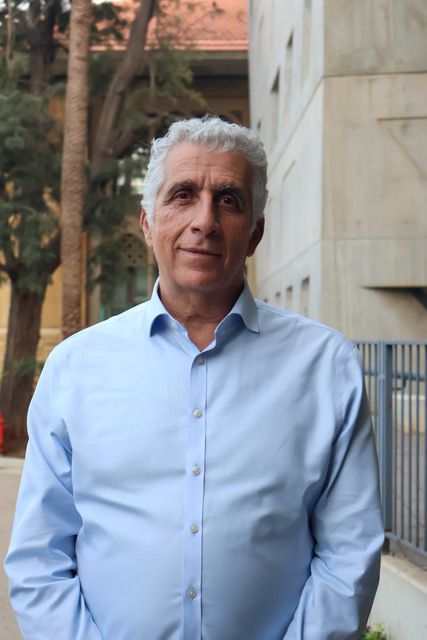
Ishac Diwan
Ishac Diwan is a Professor of Practice in Economics at the American University of Beirut. He is also the Research Director of the Finance for Development Lab at the Paris School of Economics. In recent years, Ishac has held teaching positions at École Normale Supérieure in Paris, Columbia University’s School for International Public Affairs, and the Harvard Kennedy School. Ishac has a PhD in Economics from the University of California, Berkeley. He held positions at the World Bank, working in the Research Complex, the Middle East department, and the World Bank Institute. He was the World Bank’s Country Director for East Africa and then West Africa. His current research interests focus on the political economy of the Middle East, as well as on broader development issues and international financial issues. His recent co-authored books include A Political Economy of the Middle East (Westview Press 2015) and Crony Capitalism in the Middle East (Oxford University Press, 2019). He has published in a variety of journals.
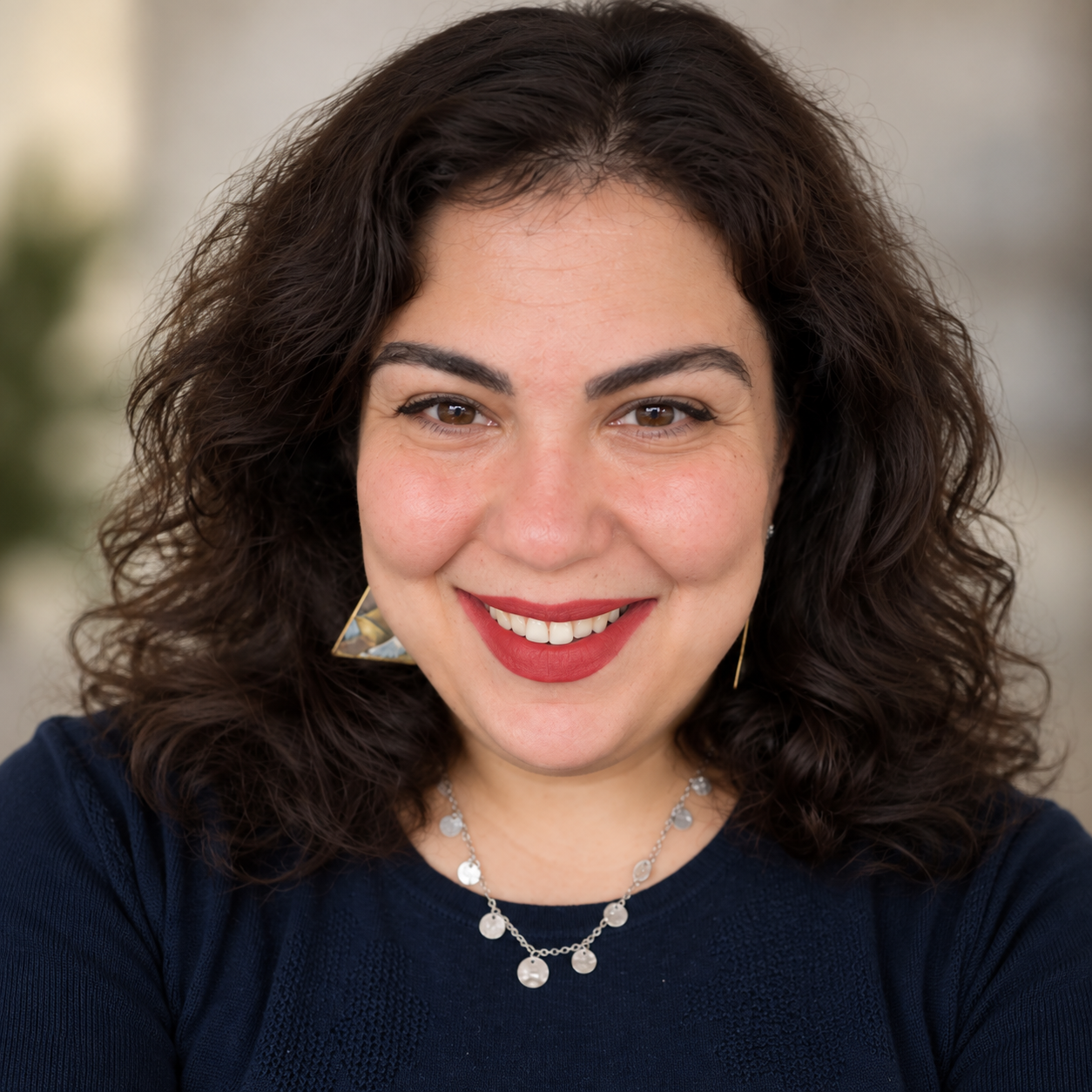
Heba Ghannam
Heba Ghannam is an anthropologist, published author, and educator whose work examines the intersections of political economy, gender, labor, and technology. She holds a PhD in Anthropology from American University in Washington, DC, where she taught courses on political economy, Arab World studies, and the relationship between culture, technology, and society. Her research approaches the household as a critical site for understanding how neoliberal governance and the expanding data economy transform everyday life, social and gender relations, and possibilities for economic self-determination in Egypt. Bridging academic research and policy practice, she brings over a decade of experience in international development and civil society, including work with UNICEF and Save the Children on gender inequality, youth empowerment, and social development.

Sahar Mechmech
ModeratorSahar Mechmech is the Inclusive Economies Manager at TIMEP. She holds an MA in International Relations from Syracuse University, and a Master of Management of Non-Profit Organizations from Tunis Business School. She has worked as a consultant, contributor, and policy analyst with various actors in Tunisia and the MENA region including Oxfam, Al Bawsala, and Aswat Nissa. She specializes in issues of economic justice as it intersects with inequality, gender, and climate.