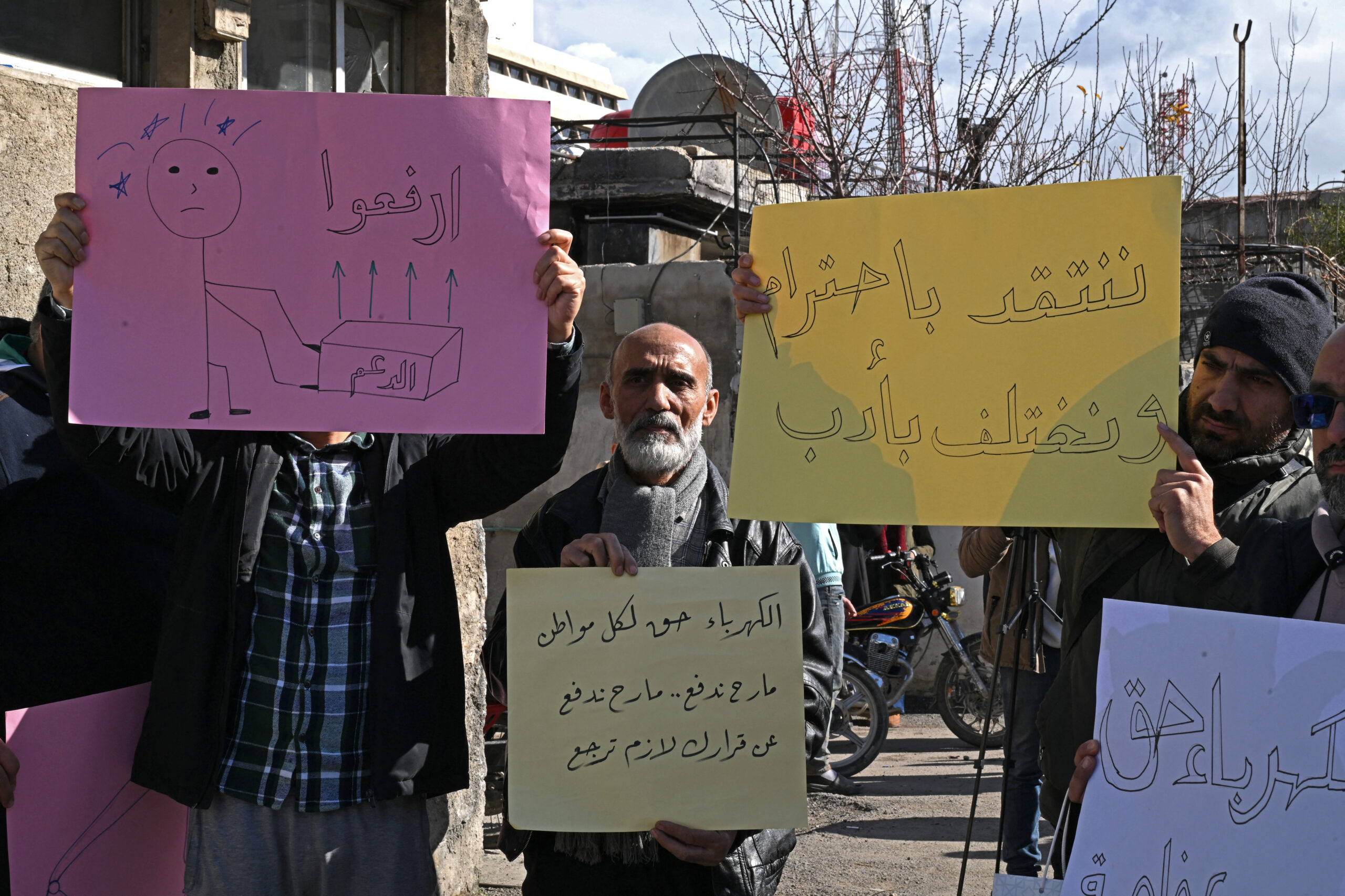
The end of Bashar al-Assad’s brutal and repressive rule opened a historic opportunity for Syrians to reshape their future. Yet two years into the transition, the contours of Syria’s new political, economic, and social landscape remain uncertain and deeply contested. Millions of Syrians have returned home; sanctions have been eased, and in some cases, entirely lifted; the government is increasingly seeking investment to support reconstruction and economic recovery; and a parliament has been seated. But the path to transition has been rife with challenges. Economic conditions remain difficult for many Syrians, with rising fuel prices, shortages of essential resources, and growing protests over living standards and public services underscoring persistent grievances. A draft Transitional Justice Law is circulating that raises questions about whether all victims will be included in the country’s vision for justice without discrimination, and demands for justice over the coastal and Suwayda massacres intersect with continued cases of arbitrary detention, allegations of torture, and restrictions on freedom of expression. Meanwhile, Israeli military strikes and ground incursions in southern Syria persist, while regional conflict has disrupted energy supplies and driven tens of thousands of Syrians and Lebanese across the border into Syria.
On Thursday, December 3, at 10:00 AM EST, join the Tahrir Institute for Middle East Policy (TIMEP) for “Two Years On: How Is the Future of Syria Being Shaped?,” an online moderated discussion featuring Jad Baghdadi, Kholoud Helmi, Zakaria Al Shmaly, and Ola Suliman, moderated by Obai Kurd Ali. The panel will explore key questions: Where does Syria stand two years into the transition, and what kind of state is taking shape? Who is shaping the country’s economic recovery and reconstruction, and whose interests are being served? How is the authorities’ approach to justice, accountability, and the rule of law evolving, and what does it reveal about the prospects for a Syria for all Syrians? And as it re-integrates into the international community and hones a foreign policy, what role should Syria be expected to play on the geopolitical level?
Speaker profiles:

Jad Baghdadi
Jad Baghdadi is a Nonresident Fellow at TIMEP focusing on political economy issues in Lebanon and Syria. His mandate centers around advancing a policy vision and tangible policy recommendations for recovery and reform in Lebanon and Syria through a political economy analysis and understanding. He is a doctoral candidate and Rhodes Scholar at the University of Oxford, where his research focuses on state-capital relations, class dynamics, sectarianism, and capital accumulation across the MENA region. Jad has taught Political Economy in the Middle East and Middle East Politics at Oxford, and previously worked as a research analyst at The Economist, where he produced analysis and indices on sustainability, livability, and health across the MENA region. He has also held research roles at the LSE Middle East Centre and the United Nations Office of the High Commissioner for Human Rights.
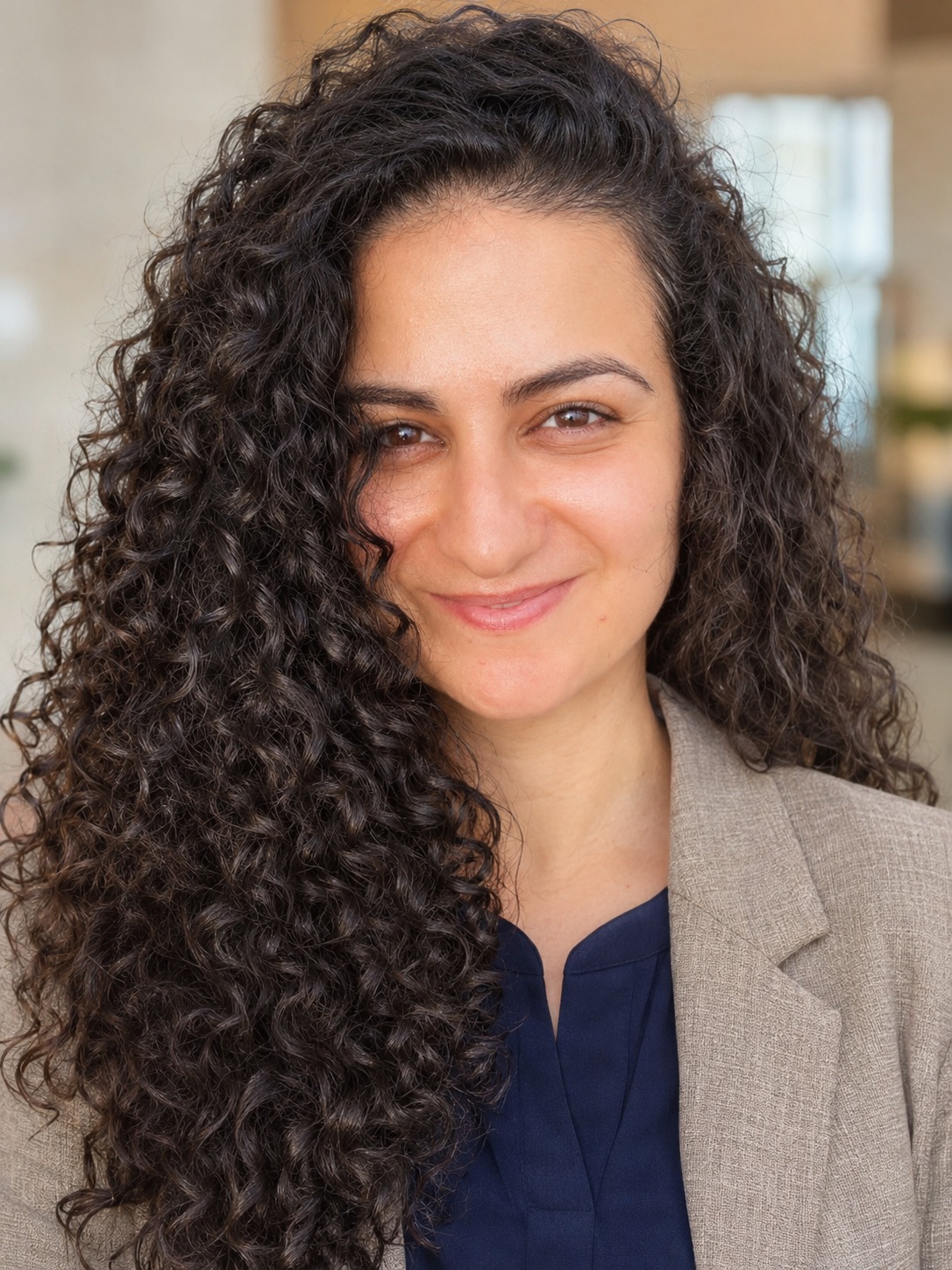
Ola Suliman
Ola Suliman is a Syrian engineer and human rights defender who has worked for justice and freedom since the start of the Syrian revolution. She has more than 12 years of experience in civil society, humanitarian response, advocacy campaign development, and partnership building. Forced to leave Syria in late 2013, she worked with Mayday Rescue from 2014 to 2019 as part of its program supporting the White Helmets. She oversaw the establishment of media, documentation, and reporting systems, and trained teams in information verification and incident documentation. Since 2021, she has managed partnerships and campaigns at The Syria Campaign, working with civil society organizations, survivors, and victims’ families to amplify their voices, call for the release of detainees, and demand accountability for human rights violations. In late 2024, she co-founded SEEN for Civil Peace, where she serves as Co-Executive Director.
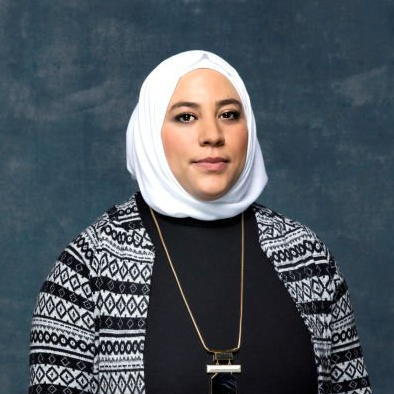
Kholoud Helmi
Kholoud Helmi is a Nonresident Fellow at TIMEP focusing on centering survivors in Syria’s justice and policy debates. Her mandate explores how the voices and experiences of survivors can inform more inclusive policy approaches. She is also the institute’s 2026-2027 Mohamed Aboelgheit Fellow. Kholoud is a Syrian journalist and civil society advocate whose work brings together independent media, survivor-led advocacy, and justice policy. She has worked for many years on issues related to Syria, including enforced disappearance, detention, displacement, accountability, and the experiences of Syrian communities inside the country and in exile. She is the co-founder of the independent Syrian media organization Enab Baladi, where she helps shape reporting on governance, services, and social issues across the country. Kholoud is also engaged with Families for Freedom, a survivor-led movement advocating for detainees and the forcibly disappeared in Syria.

Zakaria Al Shmaly
Zakaria Al Shmaly is a Nonresident Fellow at TIMEP focusing on EU-Syria relations. His mandate examines how Europe’s evolving diplomatic, economic, and political engagement with Syria is impacting the country’s governance, accountability, and reconstruction outcomes. He is currently also a Teaching Fellow in European Studies at Maastricht University. Zakaria is a cofounder of the Change for Syria network, a grassroots initiative promoting participation in Syria’s political, civic, and cultural spheres. He represents the network in consultations on Syria by various EU bodies. He is also a cofounder and co-host of the Syria Spectrum podcast, which focuses on policy-relevant analysis on Syrian affairs. Zakaria previously served as a Research Analyst at Carnegie Europe, and worked with the European Parliament’s Committee on Foreign Affairs. He has also held positions with the International NGO Safety Organisation and the Norwegian Refugee Council.

Obai Kurd Ali
ModeratorObai Kurd Ali is the Legal Unit Manager at TIMEP and specializes in international human rights law, with 10 years of experience in the Syrian conflict. He can apply the law to complex and sensitive contexts involving victims and communities, duty-bearers, and other stakeholders to achieve effective accountability and sustainable justice. Obai is skilled in leadership and team management, agreement facilitation, dealing with stakeholders from different backgrounds, and organizing joint efforts to achieve goals and shared interests. Obai holds an LL.M. with distinction in Human Rights, Conflict, and Justice from the School of Oriental and African Studies (SOAS) at the University of London (2021). In addition, he holds an LL.B in Syrian national Law from Damascus University (2014). Obai has also been awarded the Chevening Scholarship for youth leaders from the UK Foreign, Commonwealth & Development Office.