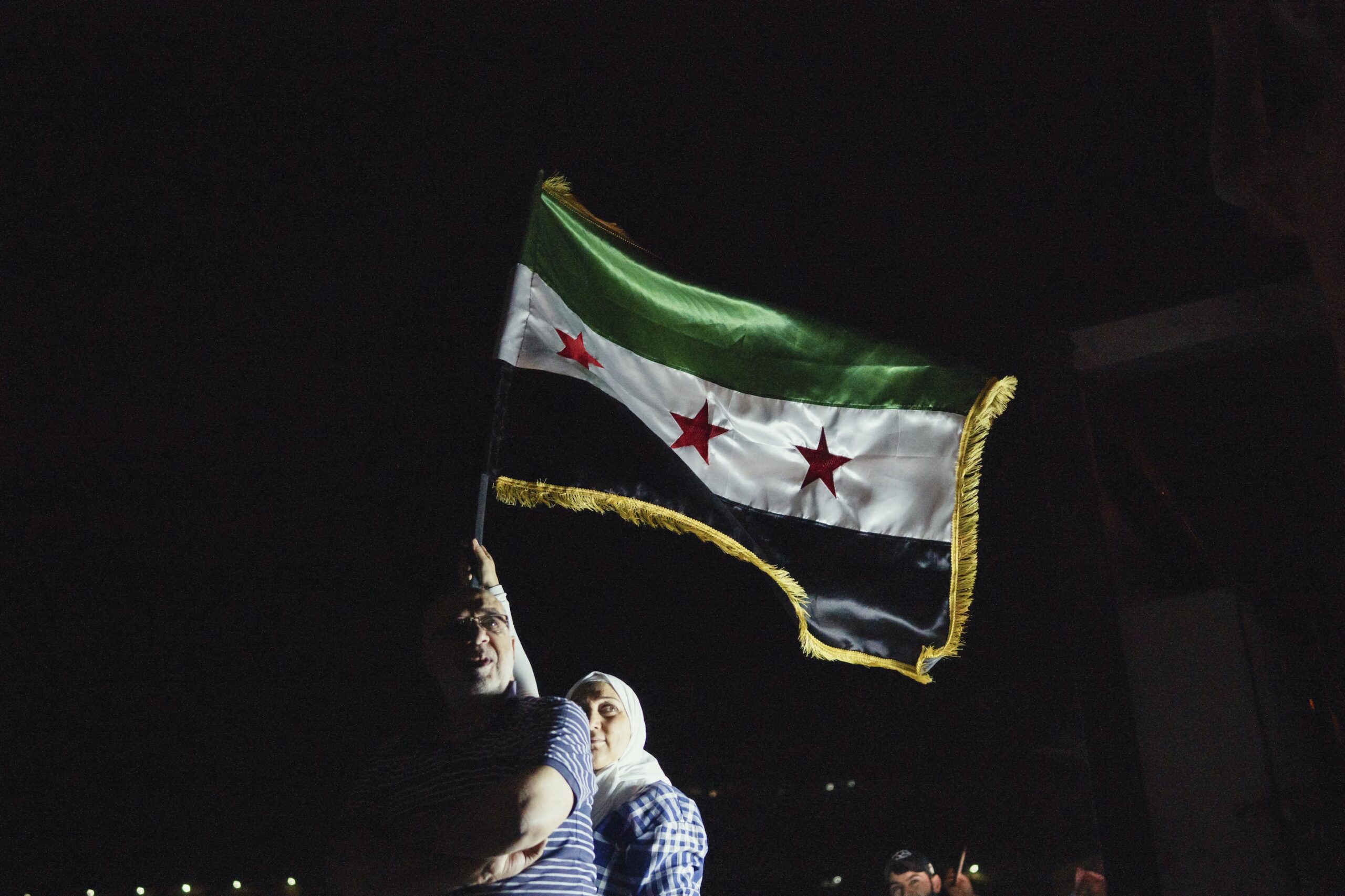
On December 8, 2024, the brutal regime of Bashar al-Assad fell, ushering in a historic moment of immense potential for Syria and the Syrian people. In the one and a half years since then, the country has undergone an eventful transition that will likely impact its trajectory for many years to come. How the international community—key among it the United States—engages with the new Syrian authorities and in Syria more generally will play a determinative role in the country’s trajectory.
The U.S. approach to Syria since the fall of the regime has surprised many. President Trump’s historic Riyadh speech in May 2025 announcing the lifting of all sectoral sanctions signaled to many that Washington was willing to engage, even as others remained wary given the Syrian authorities’ past. In response, advocates and allies of Syria concentrated their full attention to the repeal of the Caesar Act, given its status as one of the most prominent sources of sectoral economic sanctions on Syria.
In the wake of its repeal in December 2025, many are now left wondering what U.S.-Syria policy should and will look like moving forward.
In a new policy paper, titled “U.S.-Syria Policy: What’s Next Post-Caesar Repeal?”, the Tahrir Institute for Middle East Policy (TIMEP) seeks to offer the insights necessary to help answer this question. The paper, which takes its cue from the priorities of Syrian experts and civil society, briefs on the top developments unfolding in Syria across the humanitarian, political, economic, accountability, and security files and offers recommendations for U.S. officials seeking to navigate the country’s delicate, yet critical transition.
Despite the challenges and uncertainties that the current moment presents, TIMEP writes this paper to advocate in favor of close and careful engagement with the Syrian authorities, highlighting the importance of structuring this engagement in a manner that can help direct the Syrian transition toward inclusive governance, while delivering on the needs and demands of the Syrian people.